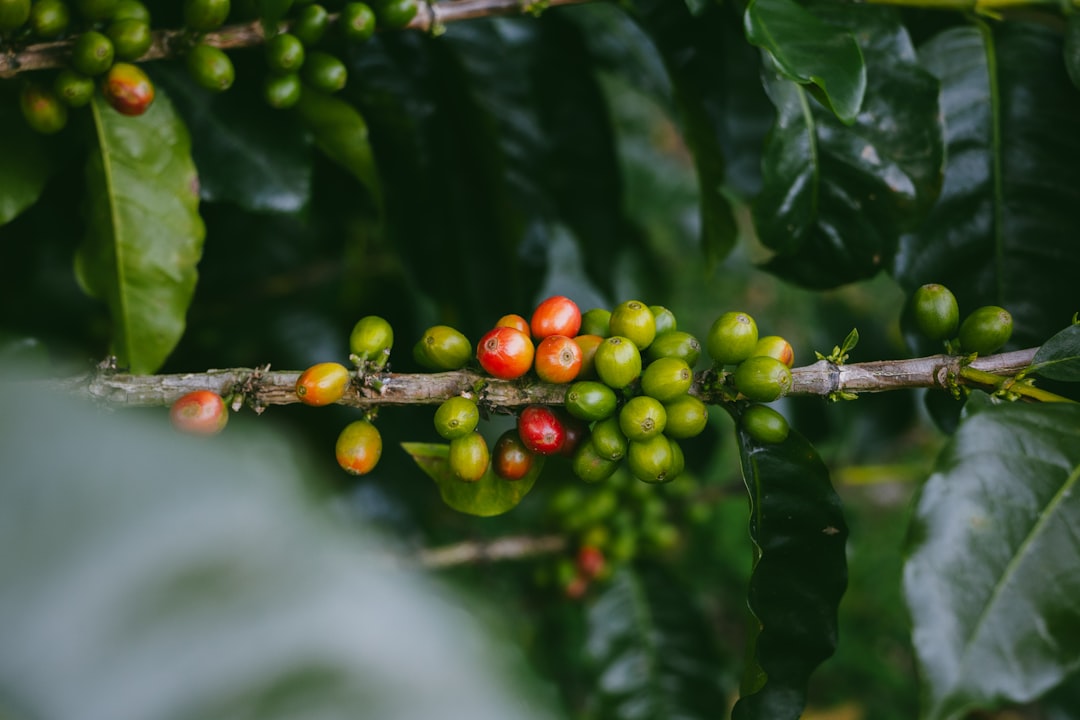
Over the past ten years the coffee world has run with a narrative that robusta could rescue the crop: it is a tougher, less refined bean, but it can endure the climate stresses that threaten arabica. The logic was to increase its acreage, giving the trade a buffer. Researchers who went back and checked the evidence have now knocked that narrative down.
A review published in the journal Sustainable Development in August, led by Aaron Davis at the Royal Botanic Gardens, Kew, calls the “climate-proof robusta” idea an internet myth. That’s his word, not a headline writer’s exaggeration. Robusta is genuinely more heat-tolerant than arabica. It is not, according to the review, drought-tolerant, and a lot of the robusta currently propping up global supply is only surviving because someone’s pumping groundwater under it.
What Robusta Was Supposed to Fix
The brief narrative that has circulated through trade journals, roaster flyers and coffee-focused Twitter for about ten years goes like this: arabica is a sensitive species, it depends on cool, high-altitude environments that are disappearing as the climate warms, while robusta, tougher, richer in caffeine, once the bean most roasters shunned, has been slipping into the role of the industry’s safety net. Raising robusta’s proportion in blends, planting it on marginal plots, and the coffee supply can make it through the next hundred years.
The account appears tidy. When neat narratives link farming and climate, they typically exclude a factor.
The factor examined is water. Davis, together with co-authors Akshay Dashrath and Justin Moat, revisited the studies that the “robusta is resilient” story rests on. They found those studies depended on plantations that seem resilient only because they are irrigated, not because the coffee plants display any special response to the climate in which they grow.
The Study That Called the Bluff
The review, covered in detail by Barista Magazine, presents a tighter, more useful argument than the blunt claim “robusta is worthless, rip it out.” Robusta’s reputation for climate resilience holds true only for one aspect: heat. In the aspect that really decides whether a farm gets through a poor year, water, robusta largely falls short.
Davis put it plainly: “Robusta is more heat-tolerant than arabica, but it’s drought-intolerant.” That’s the whole myth, corrected in eleven words. The plant handles a hot afternoon better than arabica does. It does not handle a dry season better, and the studies that got cited for a decade to argue otherwise mostly measured yield on irrigated plots without accounting for where that water was coming from.
What “Heat-Tolerant” Actually Covers
Coffee plants generally start to show stress once temperatures reach roughly 30°C (86°F). Leaves may scorch, flowering can decline, and cherries often ripen unevenly. Robusta endures a higher temperature limit before those problems appear, giving it a practical edge. That edge, however, is far narrower than the label “climate-proof” suggests, because heat represents only half of the pressures a warming climate places on a coffee farm. The other half, longer dry spells, shifted rainy seasons, and more erratic rainfall, is precisely where robusta’s reputation collapses.
Brazil, Vietnam and India provide the bulk of global robusta, but none of them enjoy the climate the “robusta is resilient” story presumes. In each country, extensive plantations depend heavily on irrigation, and drawing that much water from the aquifer imposes its own long-term cost.
The Irrigation Bill Nobody Puts on the Bag
Anyone who treats “robusta” as a synonym for “sustainable” needs to stop and think. Keeping a water-hungry robusta plant alive through a dry spell in a marginal climate typically relies on groundwater. That groundwater does not recharge within the span of a single growing season. Pull enough of it for a long enough period and you are drawing down a well that will not refill, while other growers and other crops also depend on the same aquifer.
Take into account that commercial robusta cultivation typically uses a lot of synthetic fertilizer and gives the plants little shade. Under those conditions the “resilient bean” seems less a climate remedy and more a future set of costs that will fall on whoever lives downstream of the water table.
The Geography Problem Behind the Bean
Here’s where it would be easy to overcorrect into “robusta bad, arabica good,” and that’s not what the research says either. We’ve written before about UCC’s regenerative pilot in Vietnam’s Central Highlands, where shade trees, cover crops, and biochar-compost cut fertilizer costs 30-40% and dropped berry borer damage on robusta farms by 15-30%. Robusta actually evolved as an understory plant in Central African forests. Decades of chasing yield turned robusta into the sun-grown, irrigation-fed monoculture crop you see across Vietnam’s Central Highlands today, a long way from how the plant actually evolved to grow.
Put it another way: when robusta is grown in climate that truly suits it, under shade, and on soil that is properly managed, the irrigation cost flagged by this review does not apply. The real misconception isn’t that robusta can never be sustainable; it’s the idea that any robusta crop is automatically sustainable just because the plant is hardy. The location and the farming practices delivered the sustainability, while the species got the credit.
Arabica Isn’t Off the Hook Either
Arabica does not get to be the safe answer by default, and that is worth saying out loud. Its climate needs are tighter and less tolerant than robusta’s across almost every factor. The species prefers cooler weather and steady rain, and the high-elevation zones it relies on are receding as the planet warms. Robusta contains roughly double arabica’s caffeine by dry weight, a genetic difference that’s bigger than anything roast level does to the same bean, which is part of why it was pulled into the “climate insurance” story originally: more caffeine, tougher plant, cheaper fallback.
Every Fight Club blend uses arabica, and we’ll defend that flavor choice all day. Describing it as a climate-resilience move would just copy the same action this review just observed other firms taking, only in the opposite direction. The straightforward fact is that arabica presently outranks in cup quality and occupies the leading market spot. Durability remains a separate issue, and the bean has not yet earned that distinction. Both species carry real exposure.
What the Industry Is Actually Doing About It
The more useful answer isn’t to choose a side; work is already under way to improve the plant’s genetics and the environment in which it grows, a task no one can skip by simply backing a single species. World Coffee Research is building an actual robusta breeding program, launched together with partners in the producing countries, treats yield, disease resistance and climate resilience as three distinct breeding goals. The organization’s own 2023 model predicts a possible shortfall of up to 35 million bags of robusta each year if current trends continue, a figure that makes the notion of “just plant more of the tough one and move on” look like wishful thinking.
The breeding program proceeds together with the same shade-and-soil measures that are already delivering outcomes in Vietnam. The true effort lies in linking genetics with location; swapping species could never replace either component.
None of this happens in isolation from money, either. Climate exposure on either species compounds the pricing structure that’s already leaving farmers absorbing most of the volatility when a bad season hits. A farmer irrigating robusta through a drought and a farmer watching arabica flower unevenly at altitude are both exposed to a market that doesn’t pay them more for surviving a harder year.
The Closing Bell
The claim that robusta will rescue us from climate change was repeated so often it began to sound like settled fact. It is not. The argument rested on a single genuine trait, heat tolerance, and stretched that into a broad promise for a problem that lacks a simple fix. Davis and his co-authors did not refute robusta; they exposed the shortcut.
No coffee bean frees the trade from actually doing the work: breeding programs that focus on real traits, shade and soil practices that follow the plant’s natural requirements, and buyers who demand to know where the water for their “resilient” coffee really comes from. Ask that second question yourself the next time you open a bag, whatever it contains. If you want a clear example of origin and practice on the arabica side, our Ethiopian Jab and Colombian Choke Hold were made to give you one. That is the only resilience worth trusting: the kind you can actually verify.