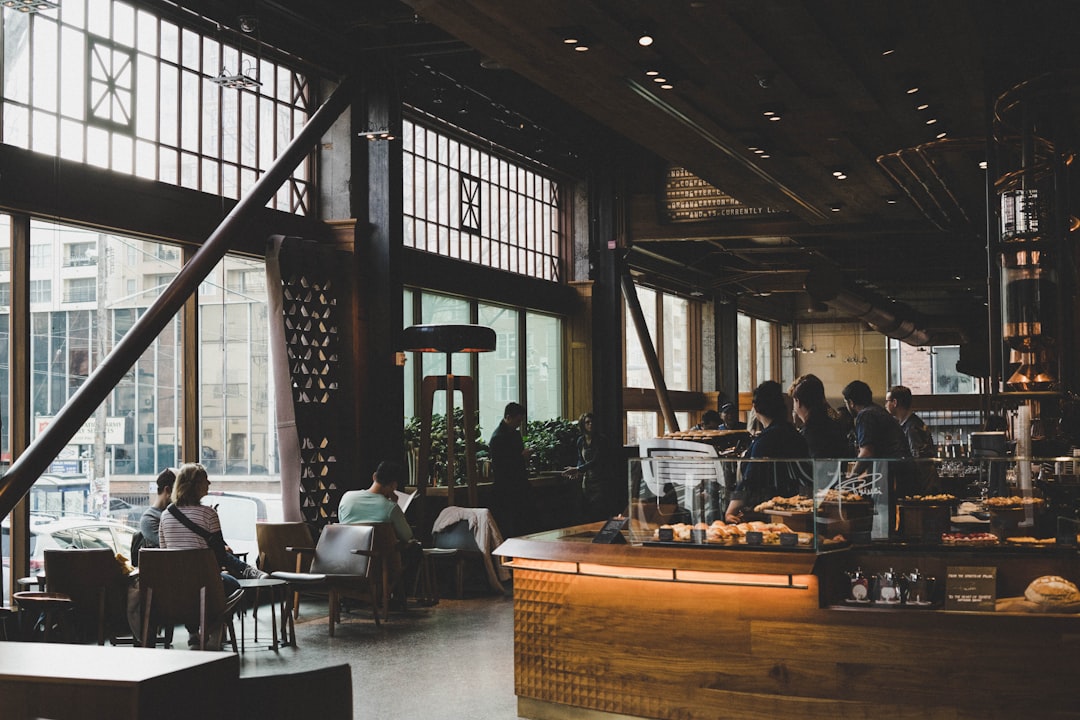

Step into a Seoul vinyl cafe at 7 AM. The barista moves like a choreographed dance — towel over shoulder, pour with surgical precision, bow to the regular in the corner. The air is thick with the scent of Ethiopian Yirgacheffe and the warm crackle of a Coltrane record spinning on a Technics SL-1200. This isn’t just coffee. This is ritual. This is respect. This is what we’re missing.
Seoul’s vinyl cafes — LP bars as locals call them — are having a moment. Sprudge recently spotlighted a handful: Mullae Mullae in Mullae-dong, where the walls breathe with thousands of records and the espresso machine hums beside a reel-to-reel tape deck. Cafe Daelim Changgo, a converted warehouse where the sound system cost more than the rent. Vinyl & Plastic in Hongdae, where the owner curates both the beans and the B-sides with equal obsession.
But this isn’t a trend piece. It’s a wake-up call.
The Ritual Is the Product
Most specialty cafes in the West treat coffee as a transaction. Order. Pay. Grab. Go. Maybe a latte art heart if the barista’s feeling generous. The vinyl cafes of Seoul operate on a different frequency. The coffee is the anchor, but the experience is the product.
At Mullae Mullae, you don’t just order a pour-over. You sit. You listen. The barista — often the owner — selects a record with intention. First side: something bright, acidic, African. Matches the coffee. Second side: something deeper, bass-heavy. Matches the finish. The music isn’t background noise. It’s part of the extraction.
This is the fight we’re losing.
American coffee culture optimized for throughput. We built drive-thrus, mobile apps, loyalty programs. We turned the third place into a vending machine with better beans. Seoul said: what if we slowed down instead?
The Gear That Matters
Walk into any serious Seoul vinyl cafe and you’ll see the same lineup:
- Technics SL-1200MK7 or SL-1500C — the industry standard for a reason. Direct drive. Quartz lock. Takes a beating and keeps spinning.
- Ortofon 2M Black or Audio-Technica VM95ML cartridges — tracking the groove like a surgeon.
- McIntosh MA252 or Luxman L-509X integrated amps — tube warmth meeting solid-state control.
- JBL L100 Classic or Klipsch Heresy IV speakers — efficiency that fills the room without distortion.
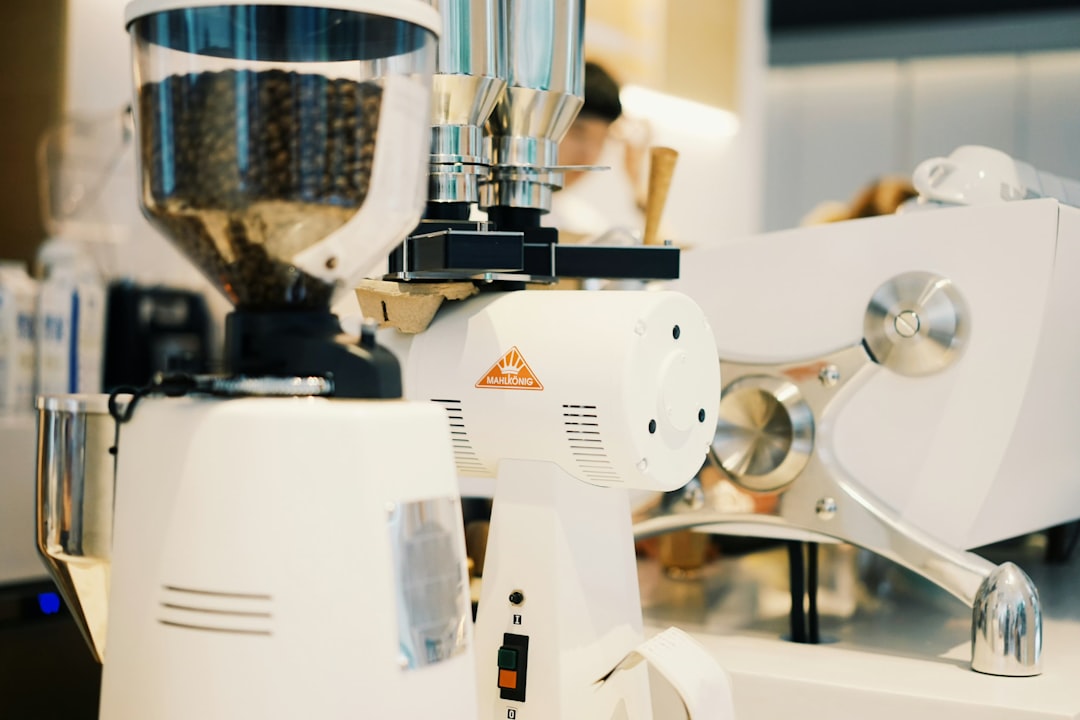
The espresso setup? Often a La Marzocco Linea PB or Slayer Steam LP. The grinder? Mahlkönig EK43 or Victoria Arduino Mythos 2. They’re not skimping on coffee gear. They’re adding audio gear with the same reverence.
The Korean Concept of Jeong
There’s a Korean word — jeong (정) — that doesn’t translate clean. It’s affection, attachment, the invisible thread between people who share space and time. It’s the barista remembering your usual and the record you loved three visits ago. It’s the owner staying past midnight to clean the stylus because tomorrow’s first spin deserves a clean groove.
Western cafes chase instagrammable moments. Seoul vinyl cafes cultivate jeong.
The difference shows up in the numbers. Mullae Mullae averages 90-minute dwell times. Customers order multiple rounds. They bring friends. They become regulars. The math works because the experience compounds.
What We Can Steal
You don’t need a $15,000 sound system to bring this energy to your shop. Or your home bar. Start here:
1. Curate the Sound Like You Curate the Beans
Stop letting Spotify’s algorithm pick your playlist. Build playlists by roast profile. Light roasts get bright, complex music — Ethiopian jazz, Japanese city pop, Brazilian tropicália. Dark roasts get weight — dub reggae, ambient drone, late-era Coltrane. Match the vibe to the cup.
2. Protect the Ritual
No phones on the counter during pour-over service. No bluetooth speakers. If you’re brewing by hand, the sound of the bloom — that first hiss of CO2 — is part of the show. Let people hear it.
3. Invest in One Beautiful Thing
A single Technics SL-1500C ($1,200) and a pair of Klipsch The Fives ($800) will outperform 90% of cafe sound systems. That’s less than a second grinder. The ROI on atmosphere is infinite.
4. Train Baristas as Hosts, Not Technicians
The best vinyl cafe baristas in Seoul know the records as well as the roasts. They can tell you why this pressing of Kind of Blue sounds different from the ‘97 reissue. They’re not pulling shots. They’re hosting.
The Home Bar Application
This isn’t just for cafe owners. Your kitchen is a cafe. Your morning routine is a ritual. Treat it like one.
Put a turntable next to your grinder. Spin a record while the water heats. Let the first track ride through the bloom, the pour, the drawdown. By the time the needle lifts, your cup is ready. You’ve just had a better morning than 99% of the planet.
The Seoul Standard
Last month, I watched a barista at Vinyl & Plastic hand a customer a cup of Gesha pour-over. He didn’t say “enjoy.” He said, “This one pairs with Side B of the Bill Evans record. Give it three minutes.”
The customer nodded. Sat. Listened. Sipped. Three minutes later, his eyes widened. “The acidity opened up right when the piano came in.”
That’s the standard. Not latte art. Not single-origin transparency. Sensory integration.
The Fight Is for Attention
Coffee competes with TikTok, with Slack, with the infinite scroll. The vinyl cafes of Seoul found a weapon: they demand your full attention. And people give it willingly.
Because when the music is this good and the coffee is this good, you don’t want to look at your phone. You want to stay in the moment.
Your Move
This weekend, pull a record. Brew a cup. Sit in the same chair. Don’t check your phone. Let the needle find the groove. Let the coffee cool to drinking temp. Notice how the flavor changes as the track progresses.
That’s the ritual. That’s the fight.
Coffee’s too short to drink it distracted. Spin the record. Taste the cup. Be here now.
The bell’s ringing. Round one starts tomorrow morning.