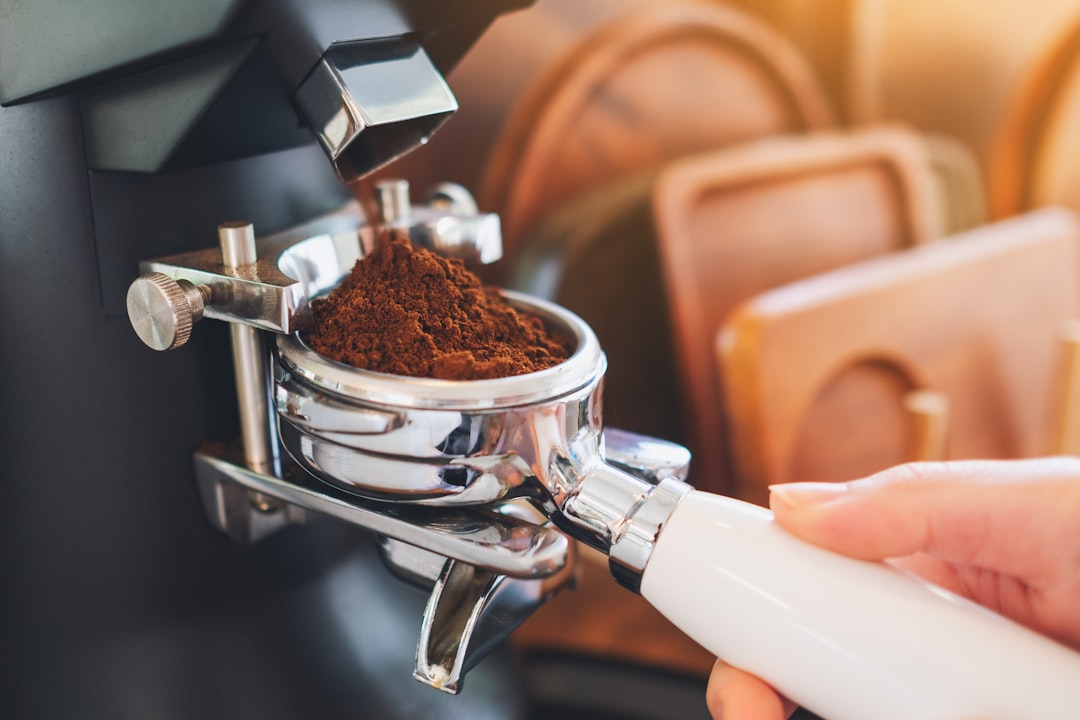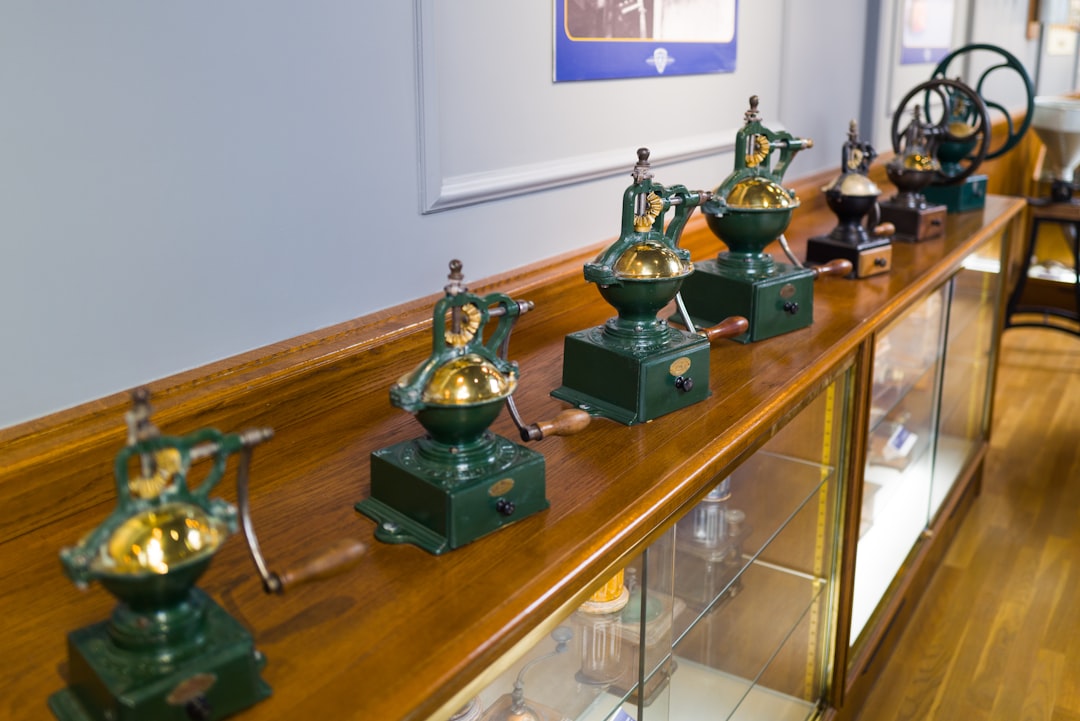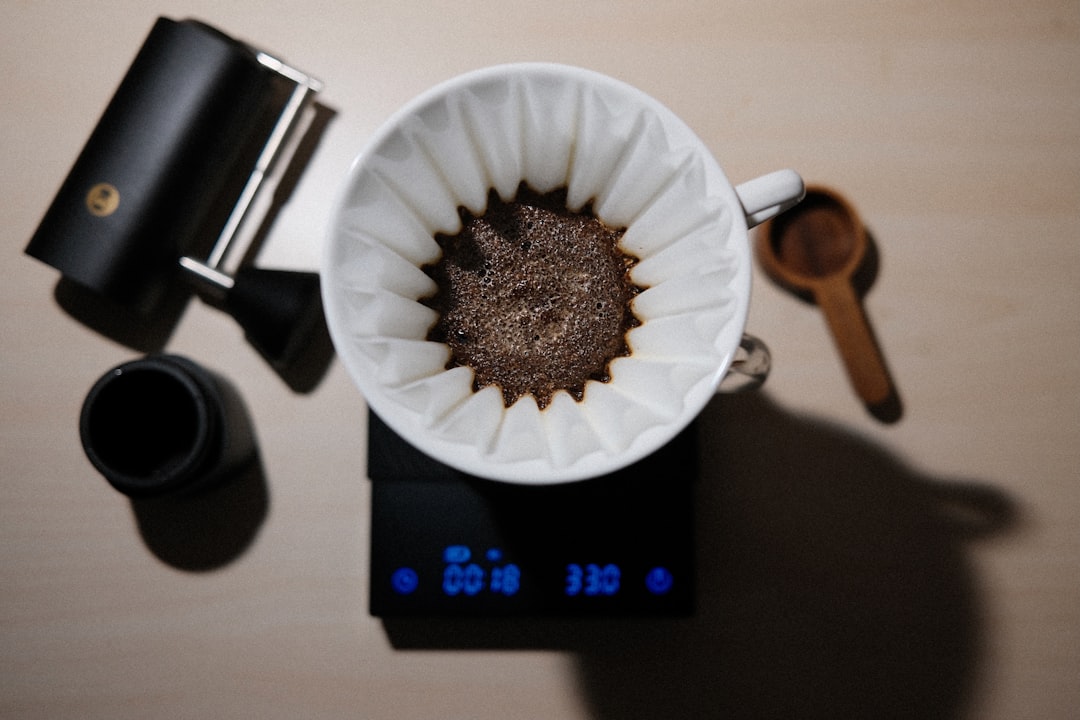
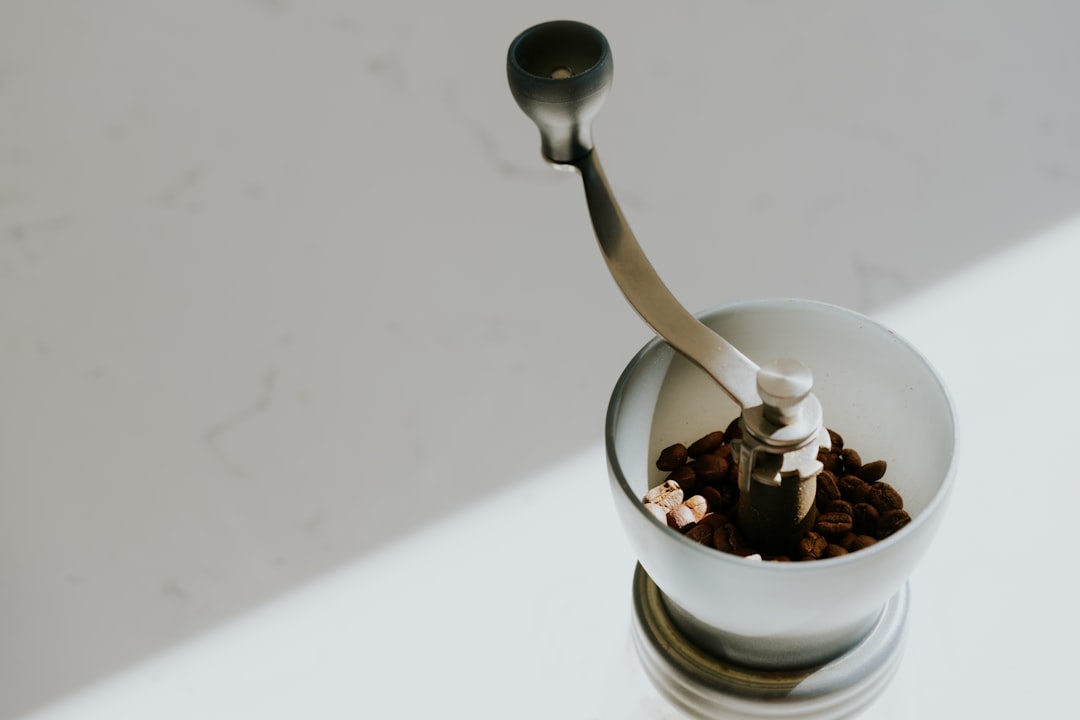
For years, hand grinders had one job in a serious espresso setup: none. They were the travel backup, the filter-coffee purist’s toy, the thing you hauled to a campsite. Espresso belonged to electric grinders with real motors and real burrs, and everyone knew it. The 1Zpresso J-Ultra was built by people who didn’t get that memo — a manual grinder with 48mm burrs, an 8-micron adjustment dial, and a grind time under a minute, aimed directly at the espresso machines on your counter and the electric grinders sitting next to them.
That’s a specific claim. It’s worth testing against the same bar we held the DF54 to a few weeks back: does a sub-$250 grinder actually hold up against espresso’s tightest tolerances, or does it just talk a good game on a spec sheet?
A hand grinder that’s actually built for espresso, not filter coffee with an espresso setting bolted on, is a different animal — and worth judging on its own terms.
📋 Table of Contents
- What’s Actually in the Box
- The Adjustment Dial: 8 Microns, No Guessing
- Grind Speed: Manual Doesn’t Mean Slow Anymore
- Retention: Where Hand Grinders Usually Lose
- Pulling Shots: What the Testing Looked Like
- Where It Loses: The Honest Trade-Offs
- J-Ultra vs. DF54 vs. Comandante C40: Picking Your Weapon
- Who Should Buy It
- The Closing Bell
What’s Actually in the Box
The J-Ultra is 1Zpresso’s replacement for the J-Max, and it keeps the same core idea while sanding off the rough edges. You get a 700-gram body built from wood, polycarbonate, and aluminum alloy, a foldable handle that tucks flat for storage, a magnetic catch cup that twists off instead of popping loose mid-grind, and a set of 48mm titanium-coated stainless steel conical burrs sized closer to a countertop electric grinder than anything else you’d hold in one hand. It ships for around $199, according to 1Zpresso’s own product page, which also lists the grounds capacity at 35-40 grams. That’s enough for a double shot with room to spare. It won’t dose out a week of filter coffee, and it isn’t trying to.
That last detail matters. This isn’t a do-everything hand grinder wearing an “espresso mode” as a marketing bullet. 1Zpresso designed the burr geometry and the adjustment range around pulling shots first, and it shows in every spec on that page.
The Adjustment Dial: 8 Microns, No Guessing
Most hand grinders bury their adjustment ring at the base, near the burr chamber, where you’re turning a collar you can’t see while holding a grinder at an angle. The J-Ultra moves that dial to the top, in plain view, and steps it down to 8 microns per click. Compare that to the stepless ring on a Comandante C40. It gives you infinite resolution and no reference points, so you’re counting rotations from zero and hoping you remembered right.
Eight microns per click is fine enough that you stop compromising between two settings and start actually landing on the one you want. On a stepped grinder with wider clicks, the sweet spot for a given bean sometimes sits between two positions, and you pick whichever is the lesser evil. On the J-Ultra, that gap mostly disappears. You still won’t get the Comandante’s true infinite resolution, but you get something more useful day to day: a number you can write down and return to without hunting.
Grind Speed: Manual Doesn’t Mean Slow Anymore
The biggest reason hand grinders lost the espresso conversation for so long wasn’t grind quality. It was your wrist. Small burrs mean more revolutions per gram, which means more time and more effort for a dose that an electric grinder chews through in seconds.
The J-Ultra’s 48mm burr set changes the math. Eighteen grams runs 40-50 seconds by our stopwatch, in line with what CoffeeGeek’s hands-on testing reported, against 90-plus seconds on smaller-burr hand grinders working the same dose. It’s not electric-grinder fast. It’s fast enough that grinding two doses back to back for a couple of guests stops being a chore you dread.
Retention: Where Hand Grinders Usually Lose
Retention is the coffee that gets stuck inside a grinder instead of landing in your cup, and it’s where a lot of hand grinders quietly cheat. A narrow chute with a lip at the bottom traps grounds, and every bean switch drags leftover grounds from the last dose into the new one.
The J-Ultra’s catch cup uses a gentle, continuous slope instead of a lip, and the interior coating is smooth enough that grounds don’t cling to it the way they do on cheaper painted chutes. In practice that puts it in the same neighborhood as the Niche Zero, the grinder every single-doser still gets measured against for near-zero retention. Static is a separate fight. Grinding dry beans always builds some charge, and a quick spritz of water on the beans before grinding (the Ross Droplet Technique enthusiasts already use on electric grinders) knocks most of it down here too. The grinder doesn’t eliminate static on its own. It just doesn’t fight you when you take the extra step.
Pulling Shots: What the Testing Looked Like
We ran Bob and Weave Dark Blend through the J-Ultra at an 18g-in, 36g-out ratio, and it landed inside the 27-32 second window without excessive hunting once the dial found its spot. Total adjustment across the first two doses: three or four clicks. A stepless grinder can demand a half hour of guessing from a new user; this one didn’t. Body came through full and syrupy, and channeling stayed rare at a properly leveled dose, which tracks with a tighter, more consistent particle size out of the 48mm conical burrs.
Switching to Dark and Dangerous Blend, a darker, oilier roast, the grinder handled the switch cleanly, with no clumping in the chute and no burnt-smell burr buildup after a few doses. Push toward a brighter, lower-density bean like Colombian Choke Hold and the story stays consistent: the burrs still deliver an even grind, though you’re clearly outside the geometry’s sweet spot. This grinder was built for espresso and it performs like it.
Where It Loses: The Honest Trade-Offs
No review of a $200 hand grinder is honest if it skips the compromises.
Price is the obvious one. Two hundred dollars is real money for a manual grinder, close enough to entry-level electric options like the DF54 that the choice isn’t automatic. What you’re actually paying for is portability and a specific kind of tactile control. That trade only makes sense if you want those things.
The foldable handle is a mixed bag. It’s a real upgrade for storage and travel over a rigid crank arm, but the mechanism feels looser in the hand than the crank on a Comandante or a Kinu. That’s a byproduct of a patent dispute in Europe: it forced 1Zpresso to fall back on the older folding approach, and the smoother hinge some competitors use wasn’t an option. It works. It’s just not the nicest part of the grinder to hold.
And the burr geometry that makes it excellent for espresso works against it everywhere else. This grinder is tuned for a narrow range, and it shows the moment you push toward the coarse end a pour-over or Chemex demands.
J-Ultra vs. DF54 vs. Comandante C40: Picking Your Weapon
Three grinders keep circling the same buyer, and each earns its spot for a different reason.
The DF54 is the electric answer at almost the same price: faster, louder, and it needs an outlet. If speed matters more than portability, or you’re grinding for more than one shot at a time, the motor wins that argument outright.
The Comandante C40 costs roughly $100 more and gives up the J-Ultra’s espresso-specific tuning for genuine do-everything range, from fine espresso to coarse French press. If you only own one grinder and it has to cover every brew method in your kitchen, that flexibility is worth the premium.
The J-Ultra sits in the gap between them: hand-ground like the Comandante, espresso-focused like the DF54, and cheaper than both once you count what each one actually does. If you already own a filter-focused grinder and just need something dedicated to shots, that’s exactly the gap this grinder was built to fill. If you’re weighing where a purchase like this should even land in your gear budget, our home coffee upgrade ladder is worth reading first — a grinder this specialized isn’t usually where that ladder starts.
Who Should Buy It
Buy the J-Ultra if espresso is your primary brew method, you don’t want a motor and a cord taking up counter space, and you’re willing to trade some coarse-end range for a grinder that does one job at a near-electric standard. It’s also a strong second grinder for someone who already owns a filter-focused hand grinder like a Kingrinder or 1Zpresso Q2 and wants to stop fighting that grinder’s compromises every time they pull a shot.
Skip it if pour-over and Chemex are your main methods; the burr geometry simply isn’t built for that end of the range. Skip it too if you’re grinding for more than one or two people at a time, where a motor stops being optional and starts being a necessity.
The Closing Bell
The J-Ultra isn’t the fastest grinder on the market, and it isn’t the cheapest. It wins by picking one fight, espresso specifically, and building every spec around winning it: burrs sized for real cutting speed, a dial fine enough to trust, retention low enough that you stop wasting your dose. It gives up range to get there, and it says so plainly rather than pretending otherwise.
If your counter already has a grinder that does everything adequately and nothing exceptionally, and espresso is the shot you actually care about getting right, this is the upgrade that argues for itself. Fold the handle out, dial in your first shot, and see what your grinder’s been costing you.