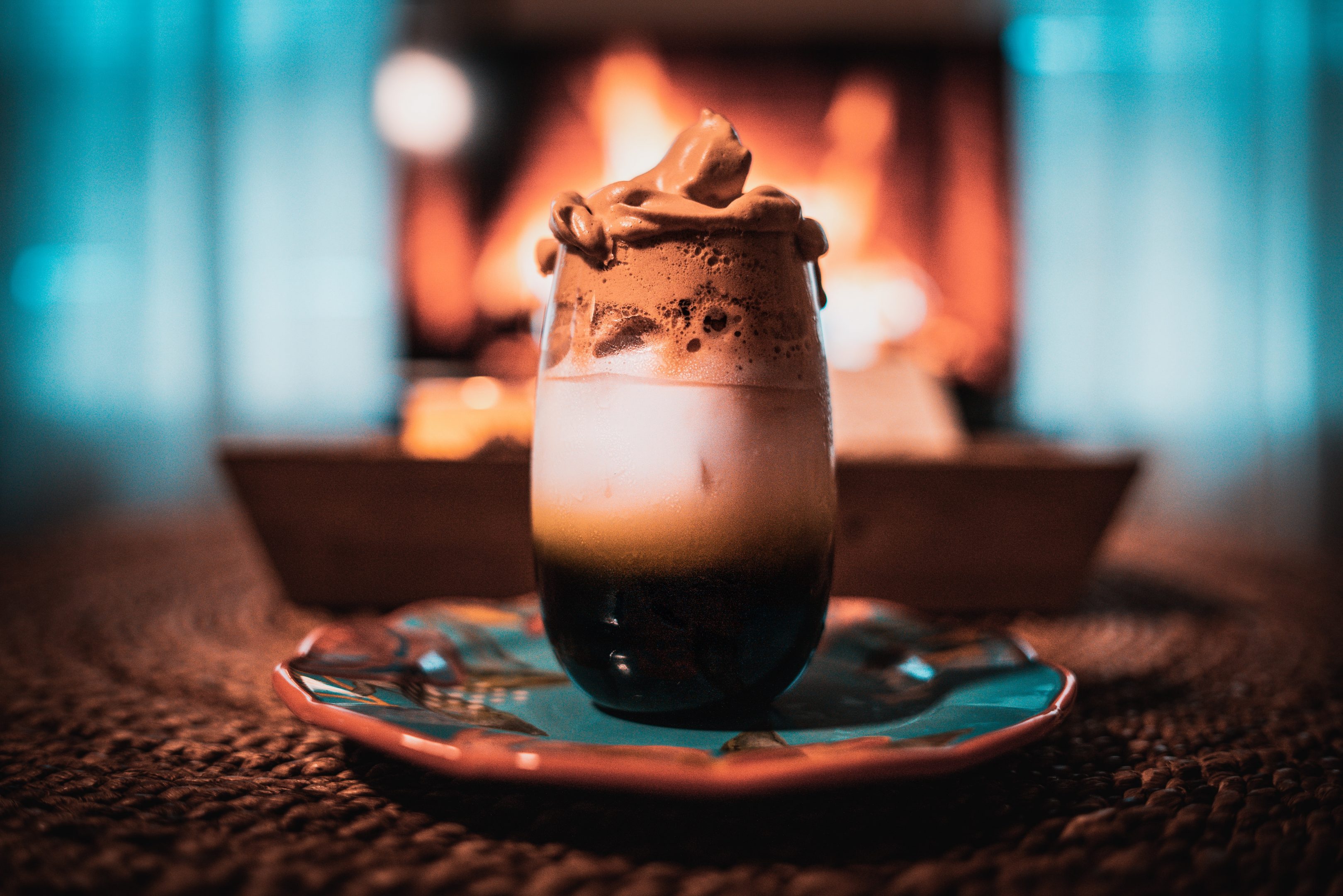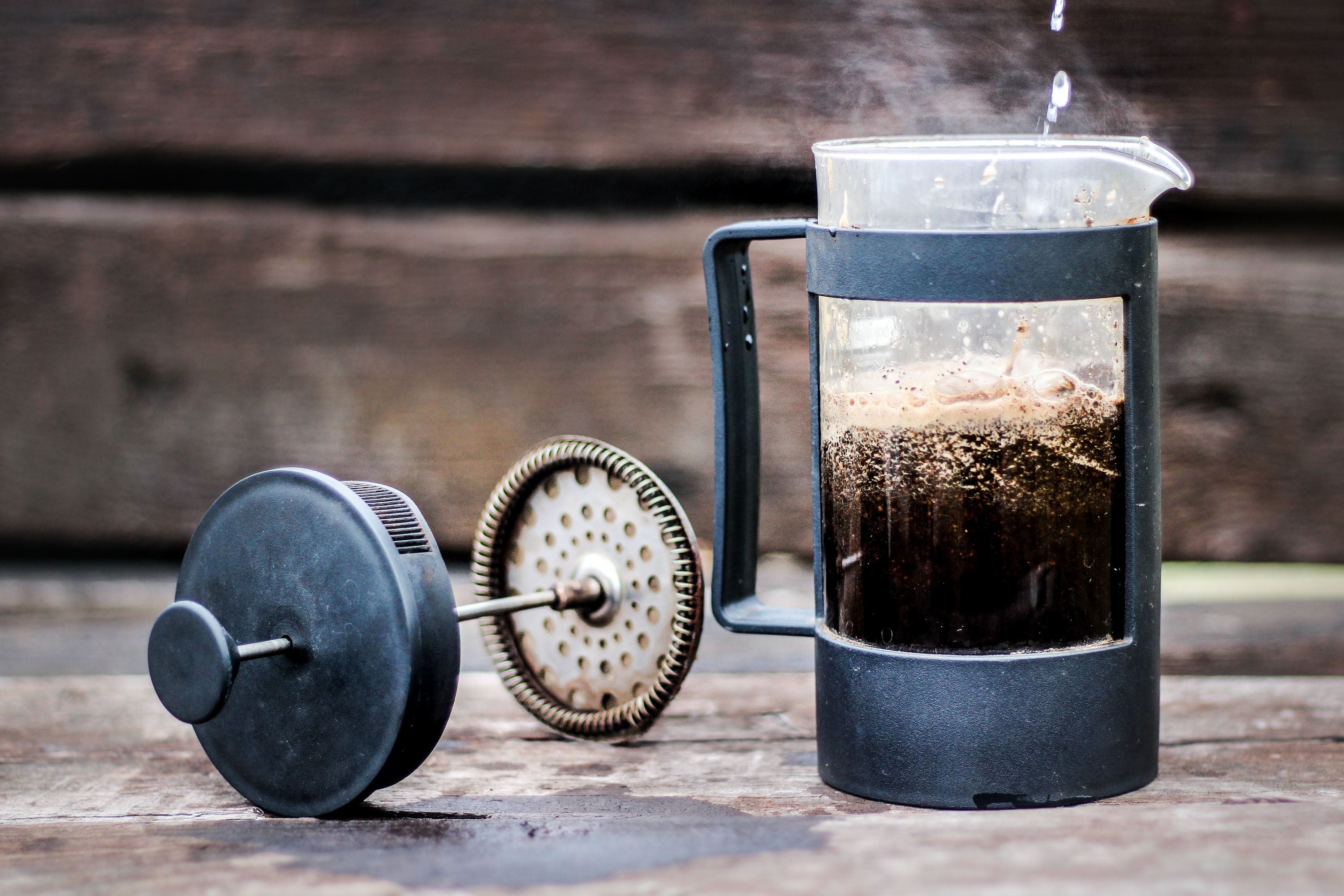
Cold brew won the iced coffee fight the easy way. It’s forgiving, it batches, and it asks nothing of your technique. Steep coarse grounds in cold water for a day, strain, done. That’s why it’s on grocery store shelves and in your neighbor’s mason jar in the fridge door.
It’s also why so much cold brew tastes the same: heavy, chocolatey, a little muddy, regardless of what’s actually in the bag. Cold water is a weak solvent for the compounds that make a specific coffee taste like itself. You paid for a bright Ethiopian and you’re drinking a flat, generic approximation of one.
Flash brew skips the steep. Brew hot, hit it with ice the second it’s done, and you keep the complexity a twelve-hour soak throws away. It takes under five minutes. Most people have never tried it because nobody explained why it beats the method they already know.
The Mechanism: Why Hot Water Beats a Twelve-Hour Steep
Extraction depends on contact time, sure. It also depends on temperature, and temperature decides which compounds come out. Hot water dissolves the acids, sugars, and aromatic oils that carry a coffee’s specific character: the jasmine in an Ethiopian, the citrus in a washed Kenyan. Cold water is a much weaker solvent for most of that. Given 24 hours it eventually pulls enough total solids to taste like coffee, but it pulls from a narrower, blunter part of the flavor spectrum the whole time. That’s the flattening you taste in almost every cold brew: less acidity, less high-toned aromatic detail, more generic roasted-bean weight.
James Hoffmann, who won the World Barista Championship in 2007, has made the same case bluntly. Brewing hot lets you extract more flavor from the grounds, he argues, pulling complexity that reflects where and how a coffee was actually grown. Cold brew, in his words, tends toward a “slightly more generic coffee flavor.” Flash brew exists as a category for exactly that reason: someone wanted iced coffee that still tasted like a specific coffee.
The other half of the mechanism is the chill itself. Hit hot coffee with ice the second it’s done brewing and you stop extraction and oxidation at nearly the same moment. A finished hot brew left to cool on the counter keeps staling as it sits; grounds left steeping in water for most of a day pick up stale, muddy notes the longer they soak. Flash brew protects the coffee you paid for. Cold brew slowly erodes it.
Gear Check: What You Actually Need
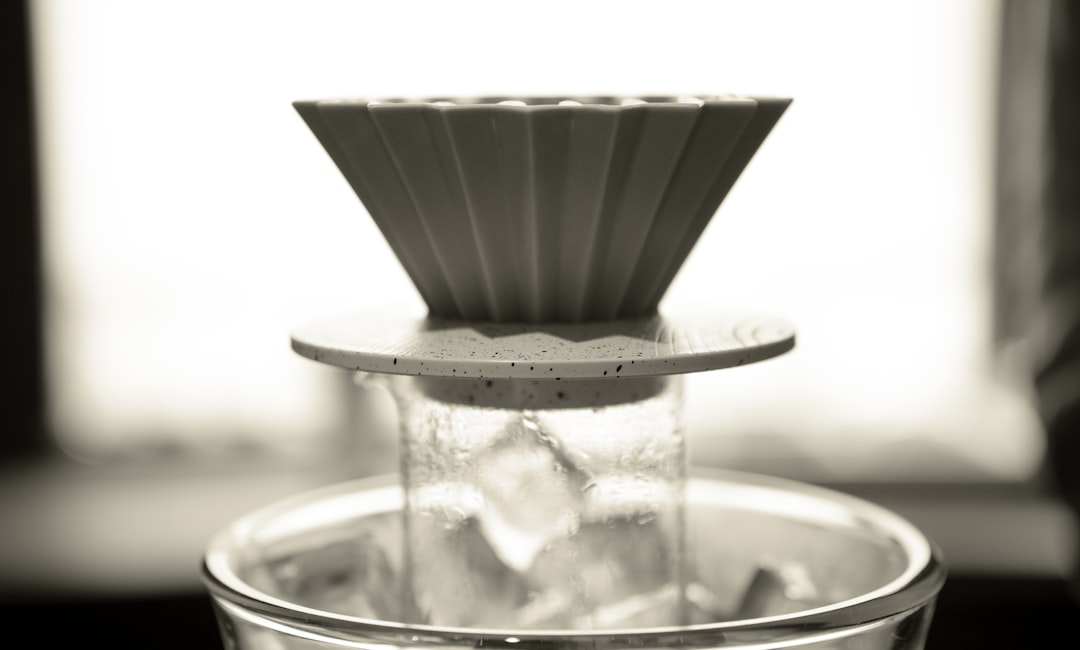
The Dripper: Whatever pour-over dripper you already own works: V60, Kalita Wave, or Chemex. Nothing about flash brew requires new hardware. The only change is what’s waiting in the carafe underneath.
The Kettle: A controlled gooseneck pour still matters here, maybe more than usual, since you’re compressing the whole extraction into a shorter, hotter window and sloppy pouring shows up faster. We’ve already fought that battle out in our gooseneck kettle knockout if you’re shopping.
The Scale: Non-negotiable, same as every brew method on this site. It matters more than usual here, because your “water” is split between hot pour and ice, and getting that split wrong is the single fastest way to ruin the cup.
The Ice: Use filtered water for the ice itself. Freezer-tray tap water carries chlorine and mineral notes that show up more, not less, once they’re diluting a delicate brew. This is the same water-quality logic we lay out in the water chemistry fight. Bad water doesn’t disappear just because it’s frozen.
The Numbers That Matter
| Variable | Target | Why |
|---|---|---|
| Ratio (coffee : total liquid) | 1:16 | Slightly stronger than a standard hot pour-over, since a third of that liquid arrives as ice, not extraction water |
| Ice fraction of total liquid | 35-40% by weight | Enough to chill the brew instantly without drowning it past drinkable strength |
| Grind | Medium-fine | One step finer than your usual V60 setting — you need more extraction efficiency out of less contact time |
| Water Temp | 92-96°C / 198-205°F | Full hot-brew range; the ice does the cooling work, not a lower brew temp |
| Bloom | 30-45 sec, 2x coffee weight | Same rule as any hot pour-over — skip it and you lose evenness, not just aroma |
| Total Contact Time | Under 3 minutes | Faster than most hot recipes, because the finished volume is smaller before the ice melts into it |
For a single cup: 20g coffee, 110g ice (in the carafe before you start), 220g hot water through the dripper. Scale up proportionally for a full carafe.
The Protocol: Step by Step
1. Weigh the Ice First
Put your ice in the carafe or serving vessel and weigh it before you touch the dripper. This is the step people skip, and it’s the one that actually determines whether the cup lands at drinkable strength or gets diluted into flavored water.
2. Dose and Grind
20g coffee for a single cup, ground medium-fine, visibly finer than your standard hot V60 setting. Grind fresh, right before brewing, same as always.
3. Rinse and Bloom
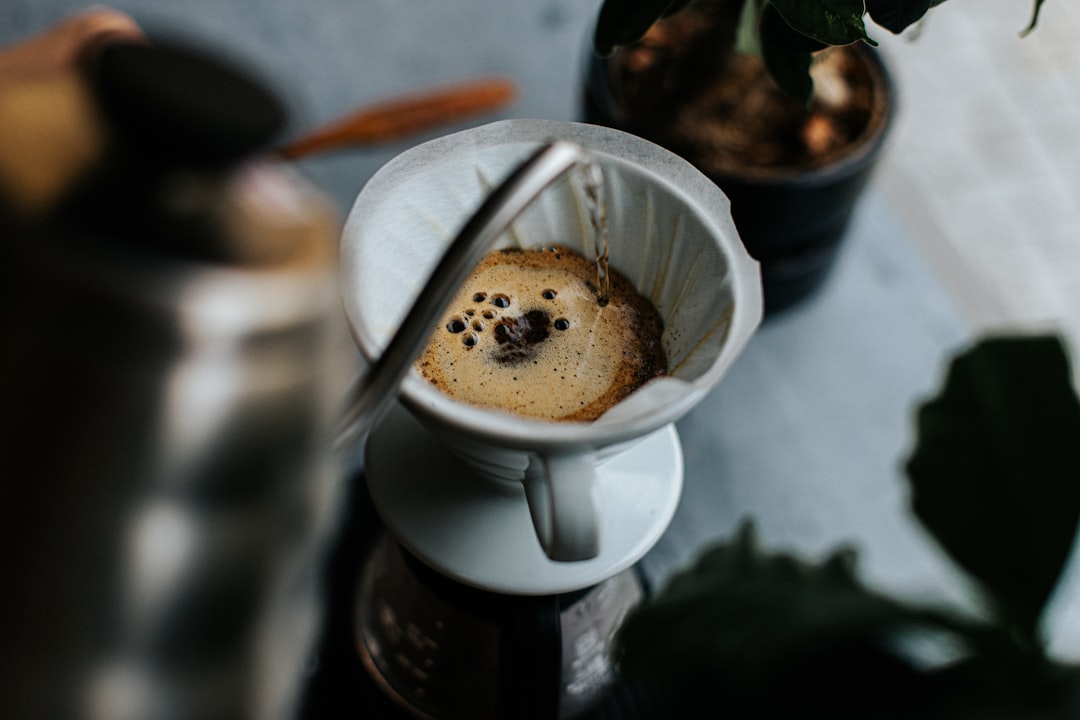
Rinse your filter to kill papery taste. Add grounds, pour 40g of water (2x dose) at 92-96°C, and let it bloom 30-45 seconds. Watch the CO2 bubble and slow. That’s your real signal, not the clock.
4. The Main Pour
Pour the remaining 180g in slow, controlled stages, spiraling from center outward. Total time from first pour to final drawdown should land under three minutes, faster than most hot brews since you’re targeting less finished volume before the ice takes over.
5. Swirl Immediately
The moment the brew finishes draining into the carafe of ice, swirl it. Don’t let it sit on top of unmelted ice. Swirling melts the ice fast and evenly, finishing the dilution in seconds so the top half doesn’t end up over-strong while the bottom half stays watery.
6. Serve Over Fresh Ice
Pour into a glass with its own fresh ice, separate from what did the chilling work. The carafe ice has already partially melted and diluted; fresh ice in the glass won’t dilute the cup further before you drink it.
Troubleshooting: The Most Common Knockouts
| Symptom | Diagnosis | Fix |
|---|---|---|
| Sour, thin, watery | Under-extraction — grind too coarse or contact time cut too short | Grind one step finer. Grind size drives extraction rate more than any other single variable |
| Weak despite a strong pour | Ice fraction too high, or ice wasn’t weighed | Weigh the ice before brewing; don’t eyeball a handful into the carafe |
| Bitter, harsh finish | Grind too fine, or water too hot for the roast | Back off half a step on grind, or drop to the low end of 92°C for darker roasts |
| Flat, muted aroma | Brew sat too long before swirling and serving | Swirl immediately and drink within minutes; the aromatics that make flash brew worth it fade fast once they hit room-temperature air |
| Cloudy or gritty cup | Filter didn’t seat, or grind too fine with a paper filter that can’t handle it | Reseat the filter after rinsing; check for fines bypassing the seal |
Flash Brew vs. Cold Brew: When Each One Wins
Cold brew’s real edge is throughput, not flavor. Steep a liter overnight and you’ve got a week of grab-and-go iced coffee with zero daily effort: dilute the concentrate, pour over ice, move on with your morning. If you’re making iced coffee for a house full of people, or you don’t have five minutes before you need to leave, cold brew still does a job flash brew can’t touch.
Flash brew asks for those five minutes every single time you want a cup. What it gives back is a coffee that still tastes like the coffee you bought: the acidity, the specific fruit or floral notes, the things a roaster actually worked to put in the bag. On a bright, high-toned light roast, the gap between the two methods is enormous. Cold brew turns Ethiopian Jab into a pleasant, generic dark-fruit smoothness, while flash brew keeps the blueberry and jasmine notes recognizable. On a dense, dark roast built for weight and low acidity to begin with, that gap nearly closes. There’s simply less delicate complexity for cold water to flatten in the first place.
Batch-brew a concentrate when you need volume. Flash brew when you want to actually taste what you paid for. Neither one is wrong. They’re just not fighting for the same job.
Two Coffees to Prove It
1. Ethiopian Jab (Light, Washed) Blueberry, jasmine, lemon zest: this is the coffee that makes the argument for you. Cold-brewed, it goes soft and generically fruity. Flash-brewed, the floral top notes survive the trip to your glass intact. If you only try this method once, try it on this bag first.
2. Southpaw Decaf (Medium, Decaf) Decaf loses some aromatic complexity in processing before it ever reaches your grinder. A 24-hour cold steep erodes most of what’s left. Flash brewing Southpaw hot and chilling it fast is what actually keeps it tasting like a coffee with a roast profile, instead of a caffeine-free stand-in that happens to be brown.
The Closing Bell
Cold brew isn’t going anywhere, and it shouldn’t. Keep a batch in the fridge for the mornings you need coffee before you need a recipe.
But the next time you want one specific cup, the good bag you’ve been excited to open, skip the overnight steep. Weigh your ice, pull your usual pour-over gear, and brew it hot the way you already know how. Three minutes, and you’ll taste the difference the ice never gets credit for.
The twelve-hour steep isn’t patience. It’s just slower flattening.