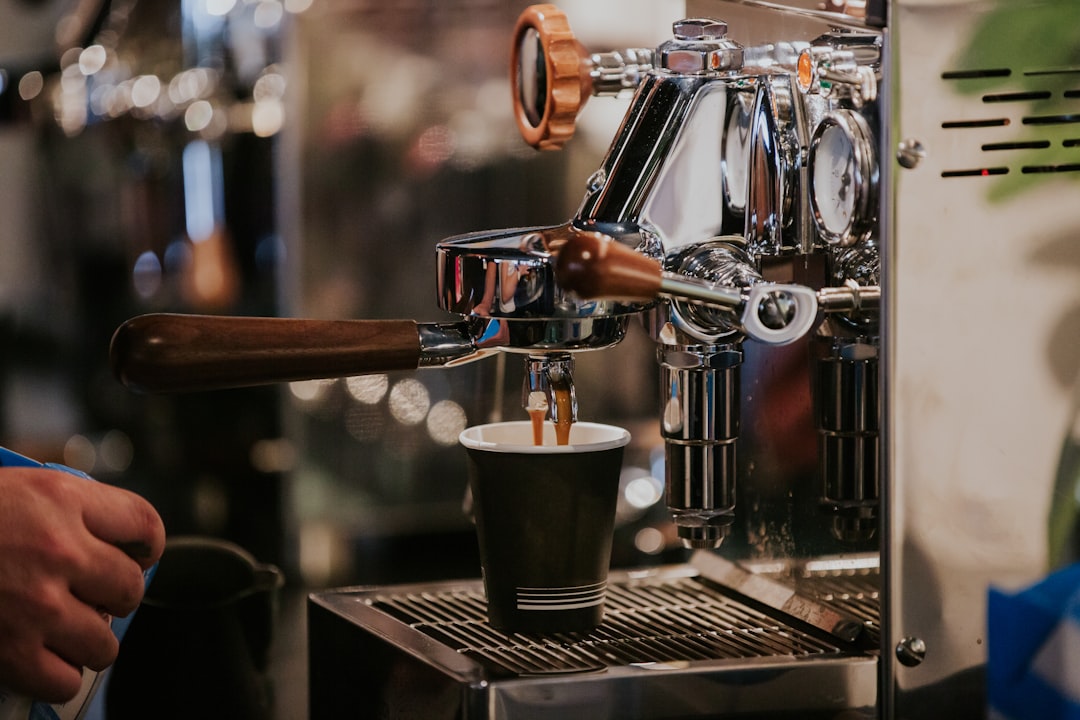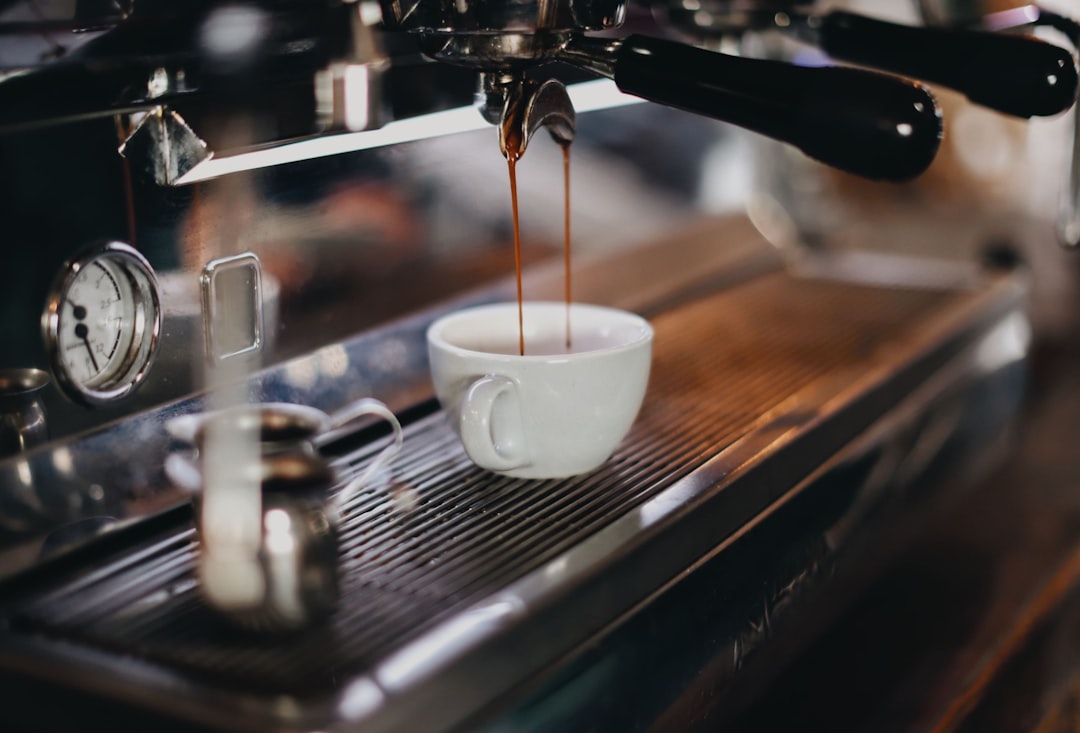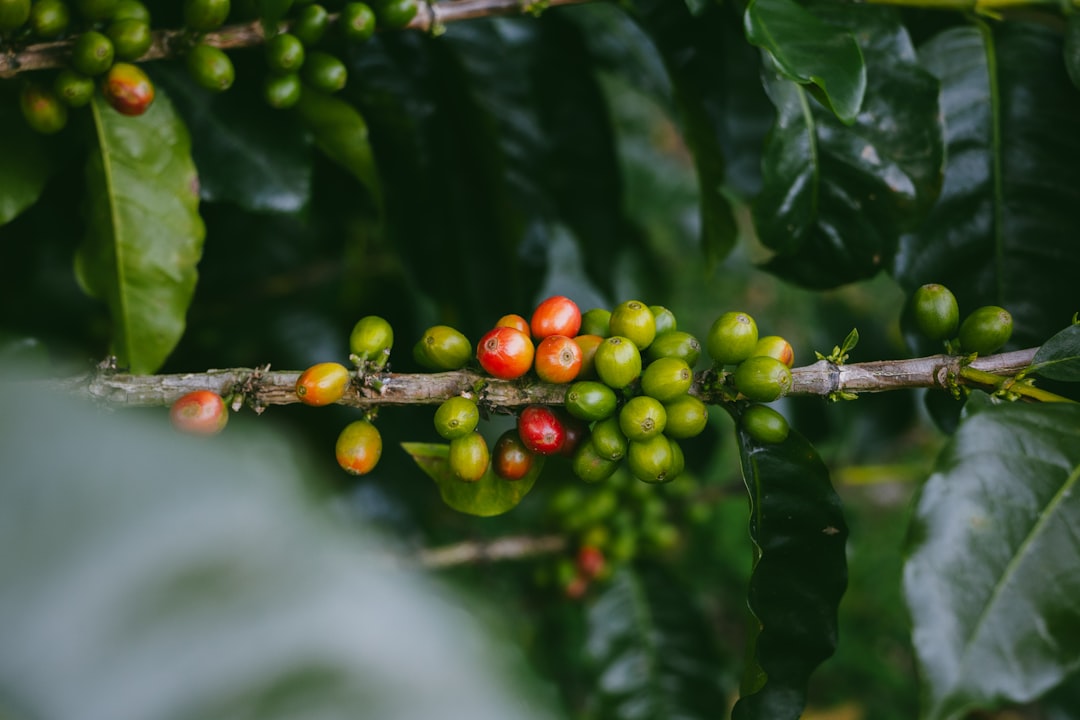
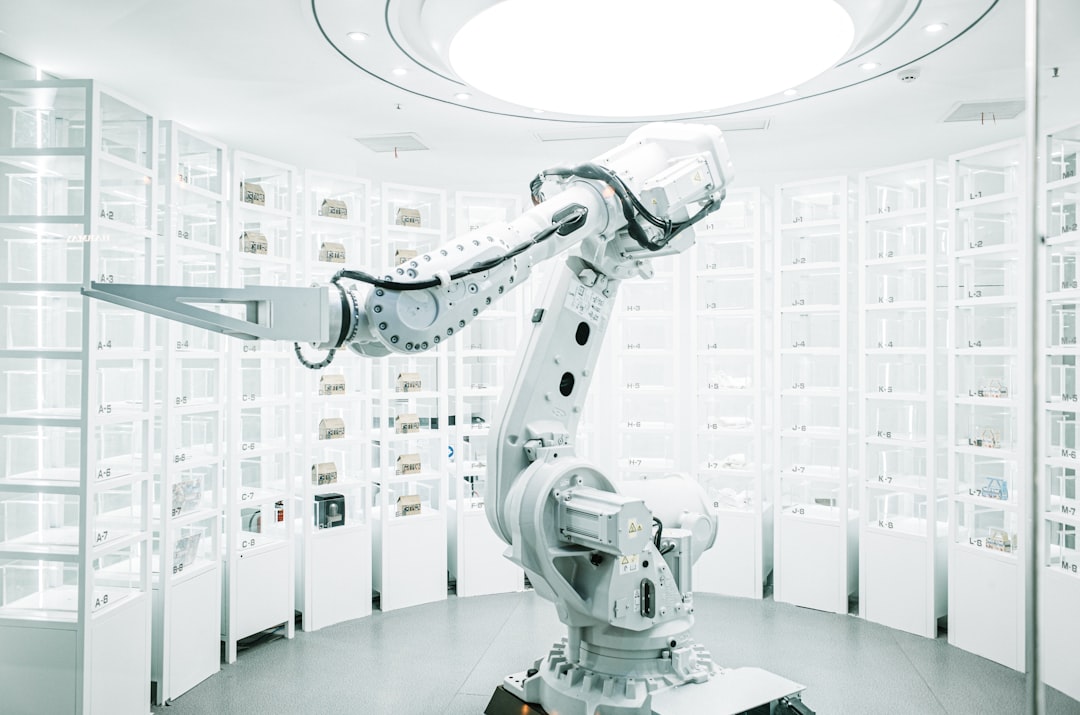
In January 2020, a robot barista chain called Cafe X shut down its three flagship locations in downtown San Francisco. The closures made local news at the time, and the detail that stuck was almost funny: the espresso itself was fine. A 6-axis robotic arm pulled shots on real equipment, monitored down to the gram, and the coffee held up fine. Foot traffic didn’t. People walked past a glass box with a robot arm inside it and lined up at the human-staffed shop across the street.
That was round one. Six years later, round two is already underway, and it’s worth asking honestly whether the outcome holds this time.
Round One: What Actually Beat the Robots
Cafe X wasn’t a stunt. The arm pulled real shots on real machines, took orders from a touchscreen, and hit its numbers. What it never solved for was the other half of what a coffee counter sells: five seconds of eye contact with someone who remembers your order, and a claim on the same stool you sat on yesterday. That’s the “third place” coffee shops have been fighting to hold onto since long before a robot showed up to compete for the counter. A glass enclosure with an arm in it was never going to win that particular round.
Here’s the detail people forget, though: Cafe X didn’t actually die. It pulled its downtown storefronts and moved hard into airports, where a boarding announcement beats ambiance every time. That pivot previews the whole shape of round two. Whether a robot can pull a good shot got settled a while ago. What’s still live is which coffee jobs are worth automating, and where you put the machine that does it.
The Numbers Behind Round Two
The money didn’t get the memo that robots lost. Research and Markets values the robot barista market at roughly $2.18 billion in 2026, growing to $4.05 billion by 2030 at a compound annual growth rate near 17%. Business Research Insights puts the same 2026 figure lower, at $1.27 billion, and still projects it nearly tripling to $3.73 billion by 2035 at a 12.76% CAGR. The two firms disagree by close to a billion dollars on scope and scale. Neither one is forecasting a shrinking category.
The fight isn’t over whether robots can make coffee. It’s over which coffee jobs are actually worth automating.
Artly Coffee’s robot, a machine named Jarvis that runs a proper La Marzocco GS3 and a Swift grinder, has expanded to roughly a dozen locations across the US and Canada. Most are tucked inside MUJI retail stores. Cafe X already paid to learn this lesson: location decides everything. Put the robot somewhere people are already walking through for another reason, and nobody has to consciously choose a machine over a person.
What Changed Since 2020
Two things moved since Cafe X’s storefronts went dark. Machine vision got good enough to pour real latte art, the one skill that used to separate “a machine that dispenses coffee” from an actual barista. And the cost of staffing a counter climbed almost everywhere at once. Rent, insurance, and wages have all moved up together in most major coffee markets over the past few years, and labor is usually the single largest line item an operator can actually control. A robot doesn’t call in sick and doesn’t need a raise. That doesn’t make the coffee taste better. It changes what opening a coffee counter costs, compared to five years ago.
That cost pressure already reshaped the back of the house before any robot showed up front-of-counter. It’s the same math behind the pre-batched espresso fight splitting specialty cafes into purist and pragmatist camps, and behind AI-assisted roasters compressing what used to take a twenty-year apprenticeship into a machine anyone can run. The robot barista is the same argument the roastery already had, relocated somewhere a customer can actually watch it happen.
The Taste Test Nobody Expected
When researchers actually put robot-brewed and human-brewed coffee through a lab comparison, the robot won on the one thing a lab can measure directly. A 2023 study in Food Research International ran gas chromatography on coffee pulled by both a robot and a human barista, then tested how tasters rated and responded to each. Batch-to-batch variation in volatile aroma compounds ran 1.4% to 83.1% for the robot, against 5.0% to 118.3% for the human. The robot repeated itself far more precisely, cup after cup.
Precision wasn’t the whole verdict, though. Tasters scored the two coffees equally on acceptability and purchase intent; flavor alone didn’t separate them. What did separate them was emotional response. The robot-brewed coffee produced more dynamic, energized positive feelings. The human-brewed coffee produced calmer, more settled ones. Read that as two different products serving two different moods.
Where the Robots Are Actually Winning Right Now
Track where robot baristas are actually landing and a pattern shows up fast: airports, office campuses, retail stores, 24-hour and high-churn spaces that were never trying to be a “third place” to begin with. Nobody picks a terminal kiosk for the ambiance. They pick it because their gate is boarding in eleven minutes and the human-staffed line has six people ahead of them. The neighborhood shop down the street was never fighting for that segment in the first place.
That same convenience math is reshaping the front counter well beyond robots specifically: drive-thru chains built around a three-minute window, automated pourover machines showing up on cafe backbars. Coffee retail is splitting into genuinely different products sold at genuinely different speeds. Judging a terminal kiosk against your favorite corner shop measures the wrong thing entirely.
What This Means for the Counter You Actually Love
None of this threatens the shop where the person behind the counter knows your order before you say it, or the cup you brew at home because you actually care what’s in the bag. A robot has never once asked you where a bean came from and meant it. That’s the actual product a craft counter sells, and a kiosk built for an eleven-minute layover has no reason to compete on it. Want your coffee optimized purely for consistency and speed? Round two of the robots is genuinely winning that fight. Want a bag with a real story behind it, like a single-origin lot such as our Ethiopian Jab or an espresso blend built for a home machine like Dark and Dangerous? That’s a separate contest, and no arm with a grinder attached has entered it yet.
The Closing Bell
In 2020, robots lost a match they should never have booked in the first place: head-to-head with a neighborhood cafe over the thing a neighborhood cafe actually sells. Round two is smarter about picking its fights. It runs on better vision systems and tighter margins, and it’s aimed at airports and office lobbies, where speed always beats charm. Next time a robot kiosk is faster than a twelve-person line at your gate, take the robot. You’re not giving up anything you actually valued. Then go home and brew a cup from a roaster who can answer a real question about where it came from. That’s still a fight no arm has entered.