Most people think coffee culture lives in Seattle, Melbourne, or Vienna. They’re wrong. The real fight for coffee’s soul is happening in places the guidebooks skip: a basement bar in Tirana where the espresso machine shares space with vinyl records, a family roastery in Karnataka where third-generation growers are rewriting the rules, a cliffside cafe in Corfu where the ritual hasn’t changed in fifty years.
These aren’t tourist stops. They’re the front lines.
Walk down a graffiti-tagged alley in Tirana’s Blloku district. Push through an unmarked metal door. Descend concrete stairs into a space that smells like tobacco, old wood, and coffee roasted three days ago.
This is The Back Room. No sign outside. No Instagram handle. Just a La Marzocco Linea PB humming in the corner and a wall of vinyl that would make a Tokyo kissaten jealous.
Owner Erjon Kola doesn’t care about your latte art. He cares about the song playing when the shot pulls. “Coffee without music is just caffeine,” he says, wiping the portafilter with a towel that’s seen a thousand rounds. “The rhythm changes the extraction. The mood changes the taste.”
The menu is handwritten on a chalkboard behind the bar. Four options: espresso, macchiato, cappuccino, filter. No syrups. No oat milk unless you bring it yourself. The beans rotate weekly — sometimes a washed Ethiopian from a micro-lot in Guji, sometimes a natural-processed Brazilian from a farm Erjon visited last harvest.
Locals know the code. They order at the bar, pay in lek, take their ceramic cup to a wobbly table, and listen. Tourists wander in, ask for a flat white, get a confused look, and leave. The regulars don’t mind. This isn’t for them.
The lesson: Coffee culture isn’t about aesthetic. It’s about community with standards. The Back Room survives because it refuses to dilute. In a world chasing scale, the strongest cultures draw lines in the sand.
Karnataka: Where the Growers Became the Roasters
Eight thousand kilometers east, in the misty hills of Chikmagalur, the South India Coffee Company is fighting a different battle. For generations, farmers here sold cherry to middlemen who sold to exporters who sold to roasters in Europe. The farmer got pennies. The roaster got the story.
Third-generation grower Arjun Nath broke the chain.
“We knew our coffee better than anyone,” Arjun says, standing on his drying patio as monsoon clouds gather over the Western Ghats. “We knew which block ripened first. Which varietal carried the chocolate. Which process brought out the spice. But we never got to roast it. Never got to taste the finish.”
Five years ago, Arjun and his brother invested their savings in a 12-kilo Probat. They roasted their own crop. They cupped it. They wept.
Today, South India Coffee Company ships microlots to specialty roasters in Oslo, Tokyo, and Los Angeles. Their anaerobic natural Karnataka Typica scored 89.5 at the Cup of Excellence. Their honey-processed Chandragiri won Best of Region.
But here’s the kicker — they still sell 60% of their crop as green bean to traditional buyers. “We’re not revolutionaries,” Arjun shrugs. “We’re just farmers who finally got to taste our own work. Once you taste it, you can’t go back.”
The lesson: The most powerful coffee cultures aren’t built by baristas. They’re built by producers who refuse to stay invisible. When the grower becomes the roaster, the story changes from “where it’s from” to “who made it.”
Corfu: The Ritual That Refuses to Die
On a limestone cliff above Paleokastritsa, a white-washed cafe has served the same Greek coffee since 1972. Same briki. Same copper pot. Same gesture — three times the foam rises, three times it settles, three times the barista blows across the surface like he’s cooling a secret.
Tourists snap photos. Locals sip in silence.
The owner, Yannis, is eighty-three. His hands tremor slightly now, but the pour is steady. “My father taught me. His father taught him. The coffee hasn’t changed. The world changed around it.”
Greek coffee culture isn’t trendy. It’s stubborn. The kafeneio (coffee house) remains the village parliament — where deals are made, disputes settled, elections decided over tiny cups of thick, unfiltered brew. No WiFi. No power outlets. Just time.
In Athens, third-wave shops pull V60s next to kafeneios pulling briki. They don’t compete. They coexist. The specialty crowd respects the ritual. The traditionalists respect the craft. Different weapons. Same fight.
The lesson: Coffee culture survives when it serves a purpose beyond the cup. The kafeneio isn’t a cafe. It’s civic infrastructure. The ritual isn’t performance. It’s belonging.
The Pattern Nobody Talks About
Three places. Three continents. One thread.
Tirana: Culture as resistance — a basement bar protecting authenticity in a city rushing to modernize.
Karnataka: Culture as ownership — farmers claiming the value they create, rewriting a colonial supply chain.
Corfu: Culture as anchor — a ritual holding community together when everything else shifts.
None of these places care about your Instagram feed. None of them optimize for throughput. All of them understand something the industry keeps forgetting:
Coffee culture isn’t what you serve. It’s what you defend.
The cafes that last — the ones that become institutions — aren’t the ones with the best marketing. They’re the ones with boundaries. The ones that say “this is who we are” and “this is who we’re not” and mean it.
The Back Room won’t make you a flat white. South India Coffee Company won’t sell you commodity lots. Yannis won’t put ice in your briki.
They know their lane. They stay in it. They go the distance.
What This Means for Your Morning Cup
You don’t need to book a flight to Tirana. But you can steal their discipline.
Pick your ritual. One method. One grinder. One origin at a time. Go deep instead of wide. The Back Room’s four-drink menu isn’t limitation — it’s mastery.
Know your source. Buy from roasters who know the farmer’s name. Who visit the farm. Who can tell you why this harvest tastes different from last year’s. Arjun Nath knows every tree on his land. Your roaster should know their partners that well.
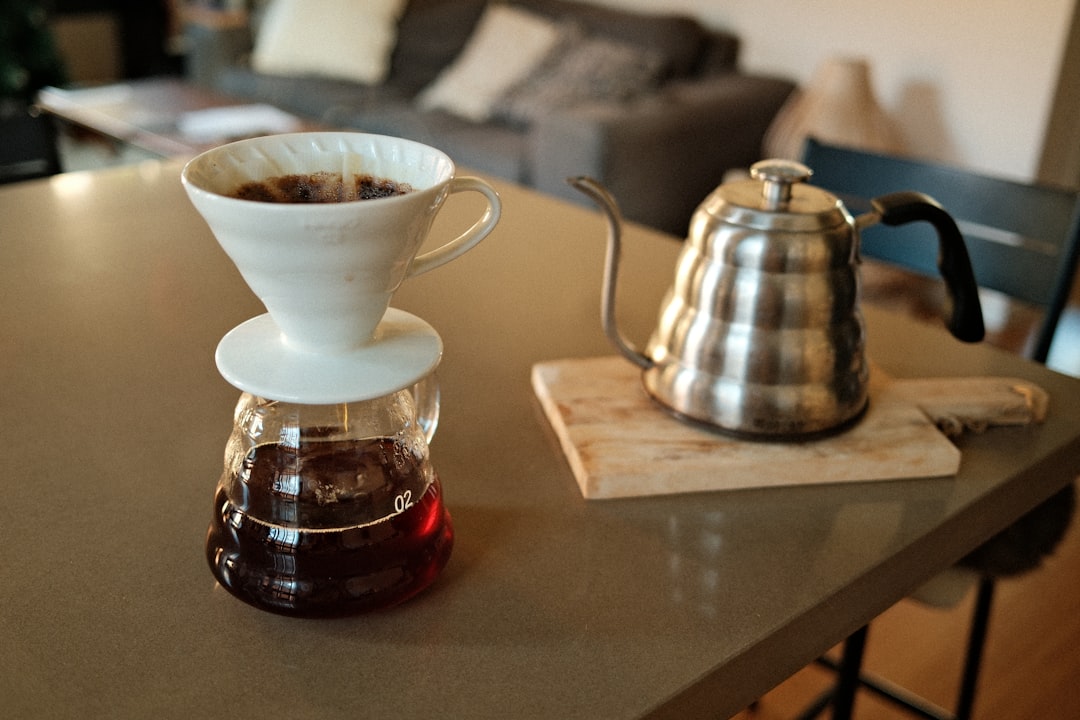
Defend your time. The kafeneio doesn’t rush. Neither should you. Five minutes for a proper pour-over. Twenty for a siphon. The clock doesn’t win. The cup does.
Build your corner. Coffee culture isn’t something you find. It’s something you make. Invite the neighbor who asks about your brewer. Share the bag that blew your mind. Teach the friend who’s still buying pre-ground.
The fight for coffee culture isn’t in the roastery or the cafe. It’s in your kitchen. Every morning. Every choice.
Throw the jab. Respect the grind. Go the distance.
The best coffee cultures aren’t discovered. They’re built. One cup at a time.