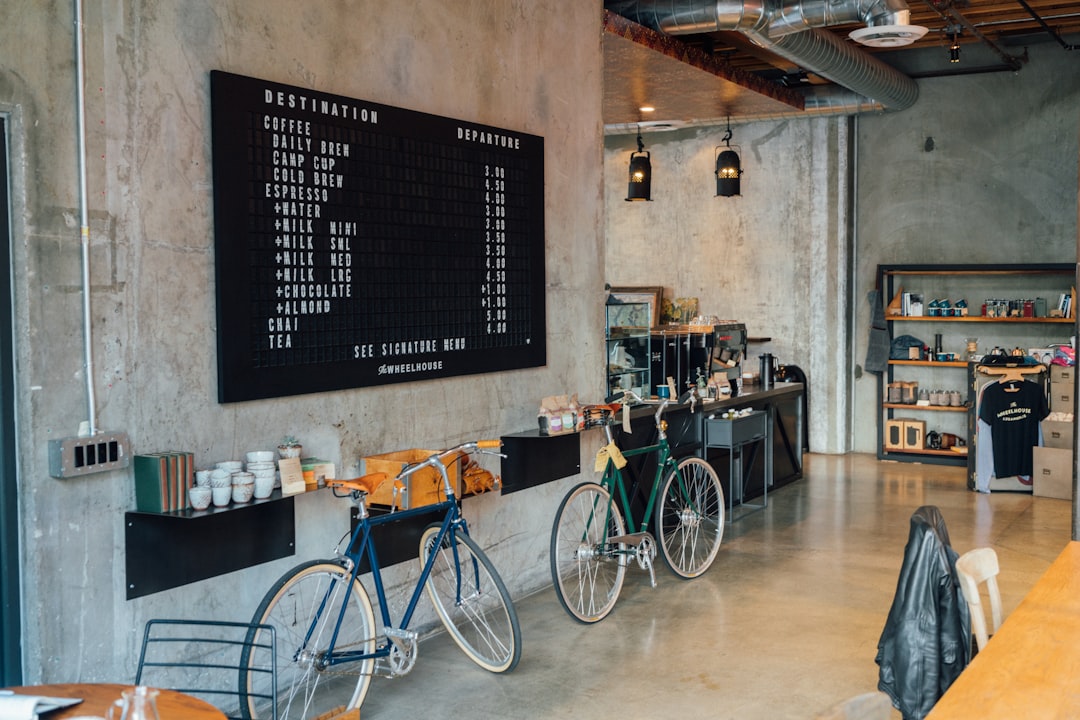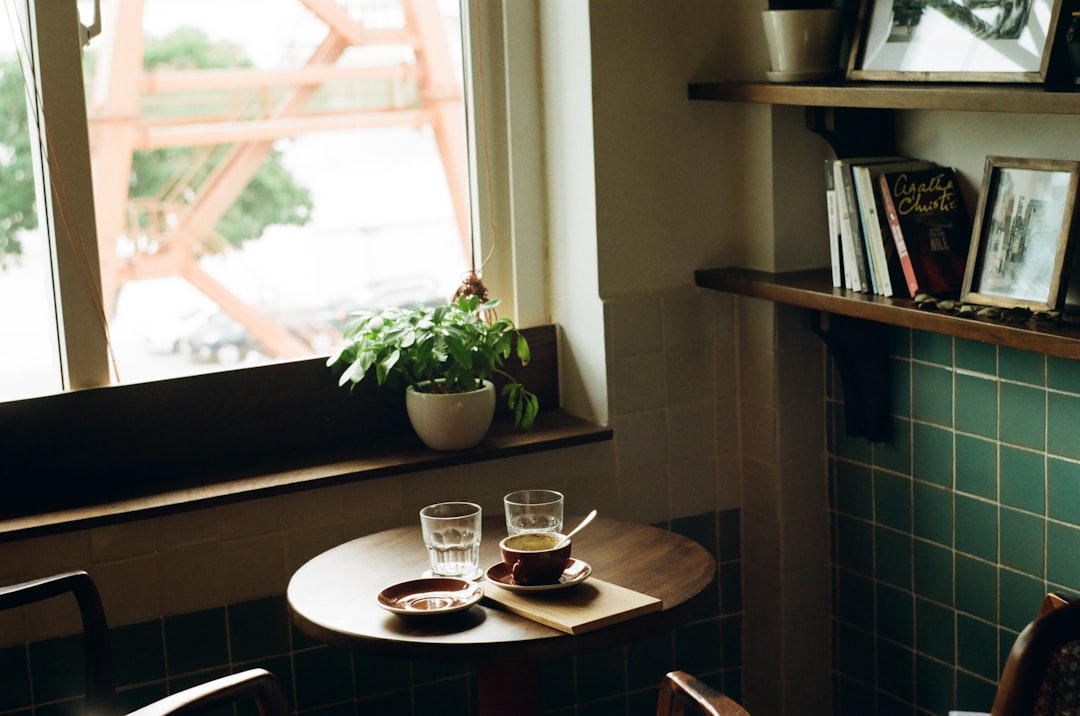
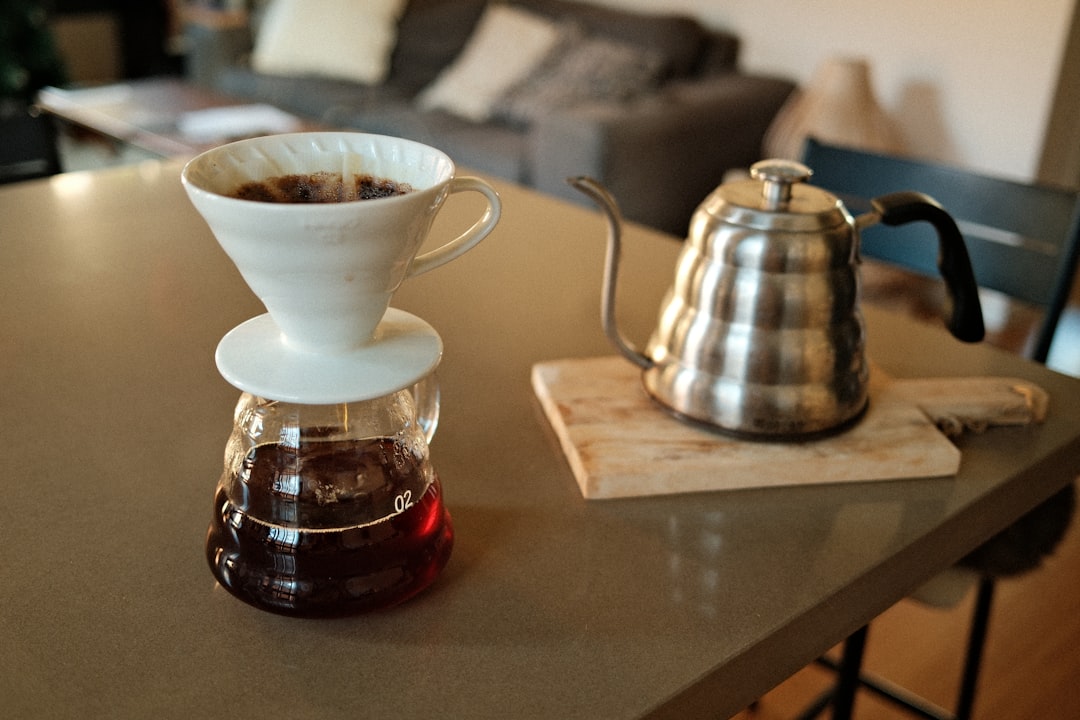
Around 2015 the coffee sector treated the coffee shop as the main battleground. Thousands of third-wave cafés sprang up, each aiming to become the “third place” that sits between a person’s house and office, a spot where patrons truly wanted to linger. Baristas memorized the names of their repeat customers. Roasters began affixing tasting cards to kraft-paper bags. The approach succeeded, at least temporarily.
Then the data caught up with the story. According to the National Coffee Association’s Spring 2026 National Coffee Data Trends report, 85% of past-day coffee drinkers said they drank their coffee at home, the highest share recorded since 2012. Only 36% drank any coffee away from home at all. The café isn’t dying. But for most coffee drinkers, it stopped being where the ritual actually lives a long time ago.
Most home brewers don’t have a coffee community. They think they don’t need one. The second half is wrong: most of them already built a community, just not where the industry was watching.
The Numbers the Third Place Can’t Explain
We’ve made the case before that the café is social infrastructure worth fighting for, and that’s still true. But infrastructure only works for the people who show up to use it, and the NCA’s own numbers say most coffee drinkers aren’t showing up at all. They’re pulling a lever on a drip machine at home. Automatic drip brewers remain the single most common home brewing method at 37%, ahead of single-cup machines at 28%, which tells you something the café conversation usually skips: the average American’s daily coffee relationship happens alone, in a kitchen, with a machine that doesn’t know their name.
Specialty coffee didn’t fail here. The “third place” model just never accounted for anything happening outside a café’s four walls, and with 85% of the ritual happening at home, that’s a lot of territory the model was never built to see.
Enter the Fourth Place
Eventbrite gave that layer a name in a January 2025 consumer report that had nothing to do with coffee specifically, and everything to do with why this matters. Surveying 2,000 U.S. adults ages 18-35, the company found 95% were interested in exploring an online interest through an in-person gathering, and 84% of people who’d actually attended one of those interest-based meetups said they’d formed close friendships through it. Eventbrite calls the gathering itself a “fourth space”: one that starts online, around a shared interest, and only becomes physical once the interest is already proven.
Coffee has been following that same script for many years, yet the pattern has no name. The phrase “fourth place” does not supersede the café itself. It points to the tier beneath: a Discord channel, a subreddit thread, a group chat that debates grind size at 11 p.m. That tier determines whether a customer steps into a specialty shop with a clear idea of what to order or simply defaults to the biggest, nearest option.
The coffee shop once represented the first stage. Today, most amateur roasters place it at the third stage, assuming it occurs at all.
Where Coffee’s Fourth Place Actually Lives
Picture the scene; the concept drops its abstraction almost instantly. The subreddit r/Coffee hosts over 500,000 members, where people swap brew ratios, note roast dates, and post “is this normal?” pictures of espresso pucks. That audience outnumbers the daily foot traffic most regional café chains ever see in person. More focused groups handle the same material with tighter scope: r/pourover debates ratios, r/AeroPress discusses inversion technique, and a rotating roster of Discord servers run by home roasters and enthusiasts exchange roast logs and burr comparisons the way old-school forums once did, only faster and with more photos of a kitchen counter.
Another strand sidesteps the keyboard entirely. A wave of home-café setups now floods short-form clips, with creators assembling a full barista station, steam wand, latte-art practice, and a hand-written specials board, inside their kitchens and inviting friends rather than meeting them elsewhere. The routine works like a quick-draw stunt, yet it follows the same pattern Eventbrite identified: an interest sourced online, such as a pour-over technique, latte-art challenge, or a particular bean, converting into an in-person gathering that never required a storefront.
None of this is charity work for the coffee industry. The person who spends three weeks in a Discord server arguing about whether a lighter roast needs a coarser grind is the same person who’ll spend real money on a bag of something like Ethiopian Jab specifically because someone in that server described the blueberry note well enough to make them curious. The fourth place is where the taste gets built before the wallet ever opens.
What a Subreddit Can’t Do That a Café Still Can
None of the points made here justify abandoning the café. A forum thread can explain the mechanism behind channeling, yet it cannot hand you a shot pulled ninety seconds ago nor let you see the crema hold or collapse in real time. The touch-taste connection we’ve written about before is purely physical: the weight of a ceramic cup, the temperature against the palm. No amount of forum text can reproduce that sensation. A fourth place truly builds knowledge and appetite. Its structure, however, is poor at recreating the sensory experience the whole category sells.
A seat-time controversy lies beneath the surface, turning the expected logic on its head. Cafés sparring over how long patrons may occupy a table are jockeying for a shrinking commodity because an increasing share of the daily coffee ritual now happens at home. When a shop’s regulars also take part in three online coffee forums, the establishment does not lose customers to those forums. Rather, it usually capitalizes on the research those communities have already produced, serving as the ring where a months-long Discord dispute about grind size finally lands in an actual shot.
Building Your Own Fourth Place
If you grind and brew in your own kitchen while never striking up a chat about it, the obstacle wasn’t a lack of dedication. What’s absent is a crew that keeps the ritual in shape, and putting together that crew requires no flight ticket and no overhaul of who you are.
Begin with a tight focus. A broad coffee subreddit may work, yet a niche community centered on a single method, pour-over, AeroPress, home roasting, will hand you quicker, more precise replies than a general forum, because its participants are already grappling with the same challenge. When you submit a query, supply exact figures: your brew ratio, grind setting, water temperature. Skip open-ended prompts such as “does this taste okay,” which cannot be judged from a photograph.
Make it tangible, as Eventbrite’s data indicates people already do: set up a home-café gathering. Choose a coffee that can generate discussion, something like Colombian Choke Hold works because its chocolate base and a touch of citrus give newcomers a concrete topic to argue over. Brew that same batch in three styles, drip, pour-over, French press, and let the crowd decide which comes out on top. That replicates the weekly subreddit debate, only with actual cups in front of actual participants instead of a comment thread. If you need gear that supports the experiment without blowing the budget, the upgrade ladder we posted earlier points out exactly where to spend first.
During the process, your home brewing still functioned as the community gathering, but this simply had no suitable place for occur before you constructed the room.
The Bell Rings in Your Kitchen Now
The third place isn’t gone. It’s just not where the fight started anymore. For 85% of coffee drinkers, the real opening round happens at home, gets refined in a comment thread or a group chat, and only sometimes ends with a trip to an actual café to see if the theory holds up against a shot pulled by someone who does it for a living.
You don’t need anyone’s permission to throw the opening round yourself. Track down the community that is debating the precise topic you care about, post a clear question that includes real numbers, then lay a bag of something worth fighting over on your own side of the ring and watch who steps up. The café will still be there when you are ready for round two.