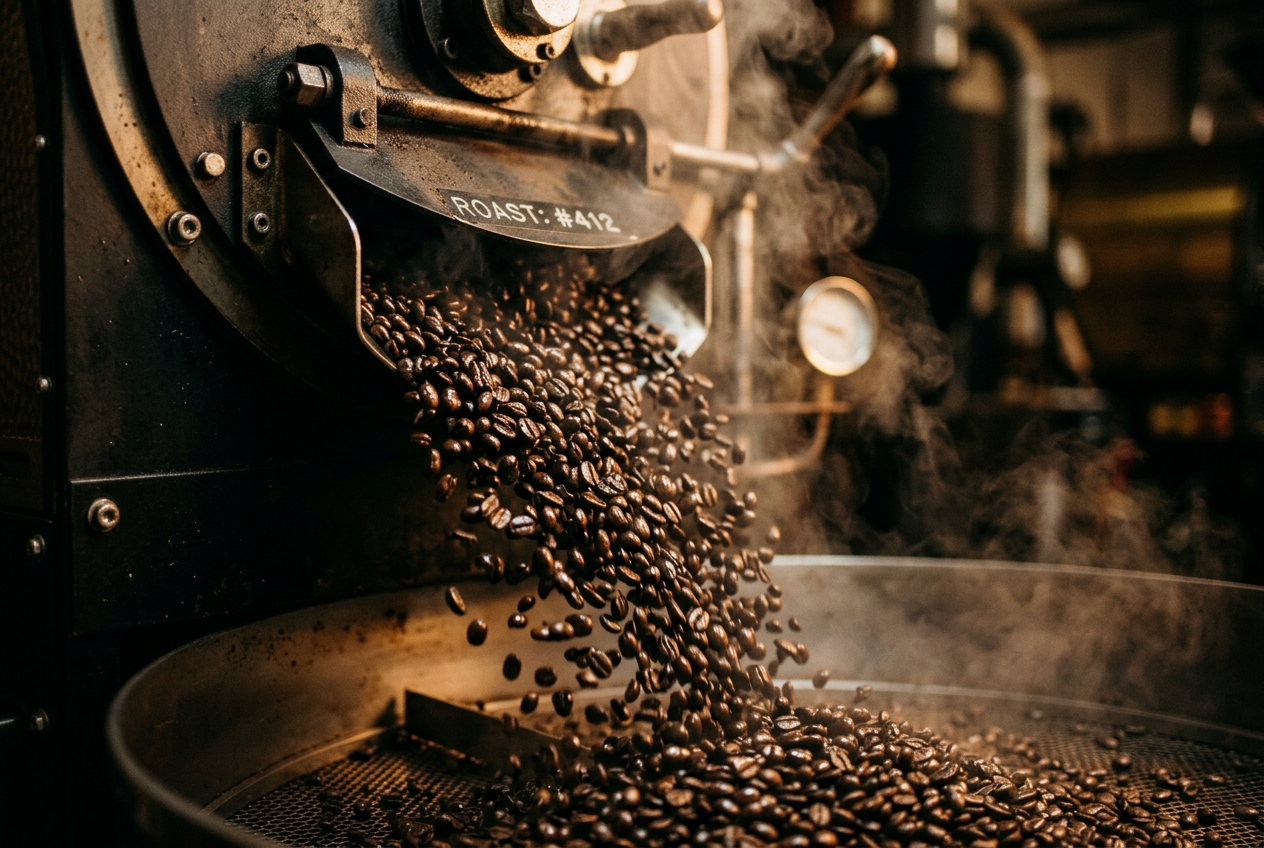
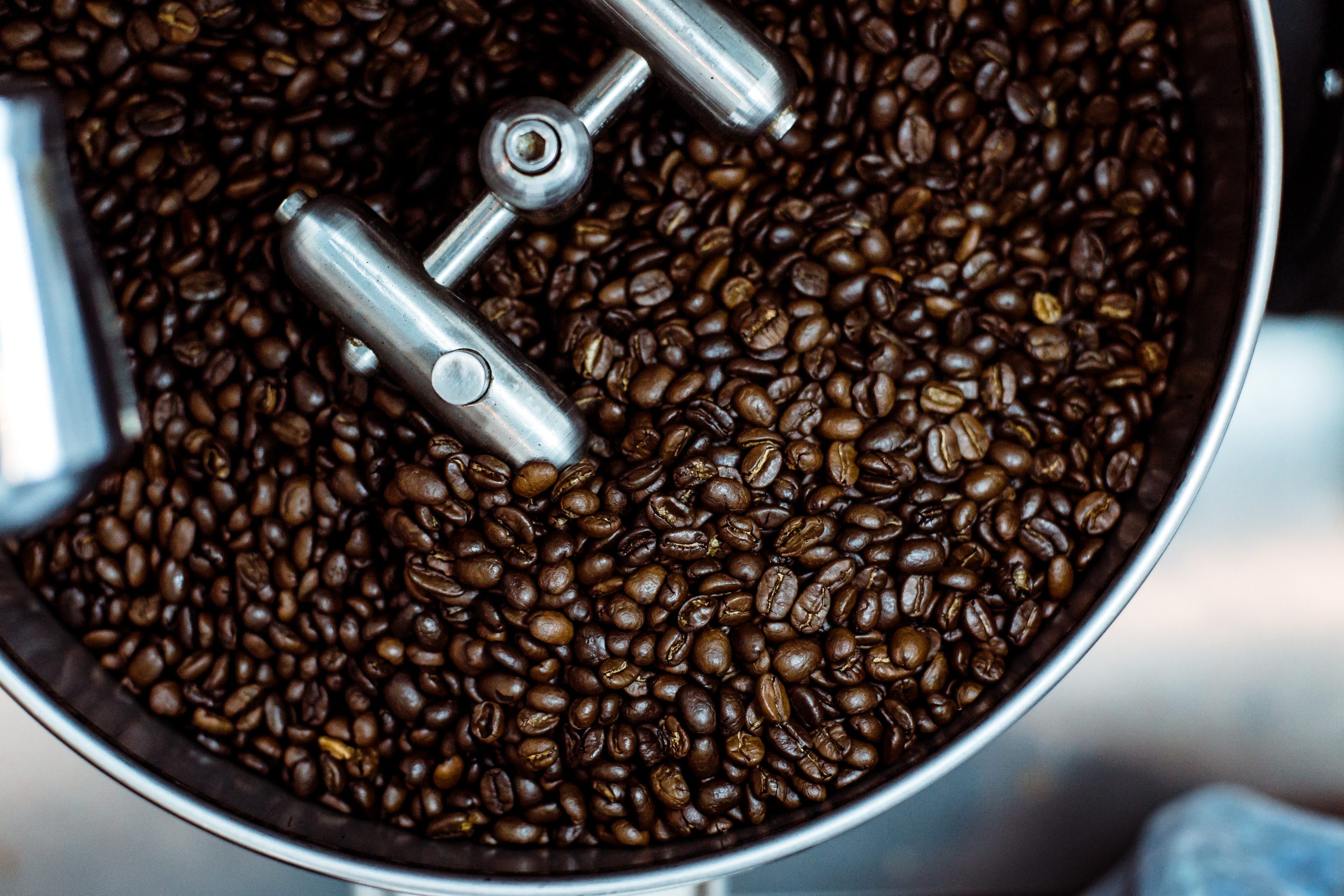
Small-batch coffee roasting means roasting coffee in smaller quantities instead of massive industrial batches. The goal is not just to sound handcrafted. The goal is control.
Coffee roasting is a heat process. A roaster has to manage time, temperature, airflow, bean movement, moisture loss, and development. Smaller batches make it easier to watch those variables and repeat a roast profile without losing the character of the coffee.

Why Batch Size Matters
Large batches can be efficient, but efficiency is not the same thing as quality. When too much coffee is roasted at once, it is harder to keep every bean moving and developing evenly. Uneven development can lead to a cup that tastes flat, baked, sharp, smoky, or inconsistent from bag to bag.
Small-batch roasting gives the roaster more control over how the coffee responds to heat. That control matters most when you want repeatable flavor.
Small-Batch vs. Mass-Market Coffee
| Factor | Small-Batch Coffee | Mass-Market Shelf Coffee |
|---|---|---|
| Roast size | Smaller, controlled batches | Very large production runs |
| Freshness goal | Roast closer to demand | Long shelf stability |
| Flavor control | Adjusted by roast profile | Built for broad consistency |
| Typical buying experience | Whole bean, recent roast, more aroma | Often pre-ground, older, less aromatic |
Not every small batch is automatically great, and not every large roaster is careless. But small-batch roasting creates better conditions for freshness and quality control.
Freshness Changes the Cup
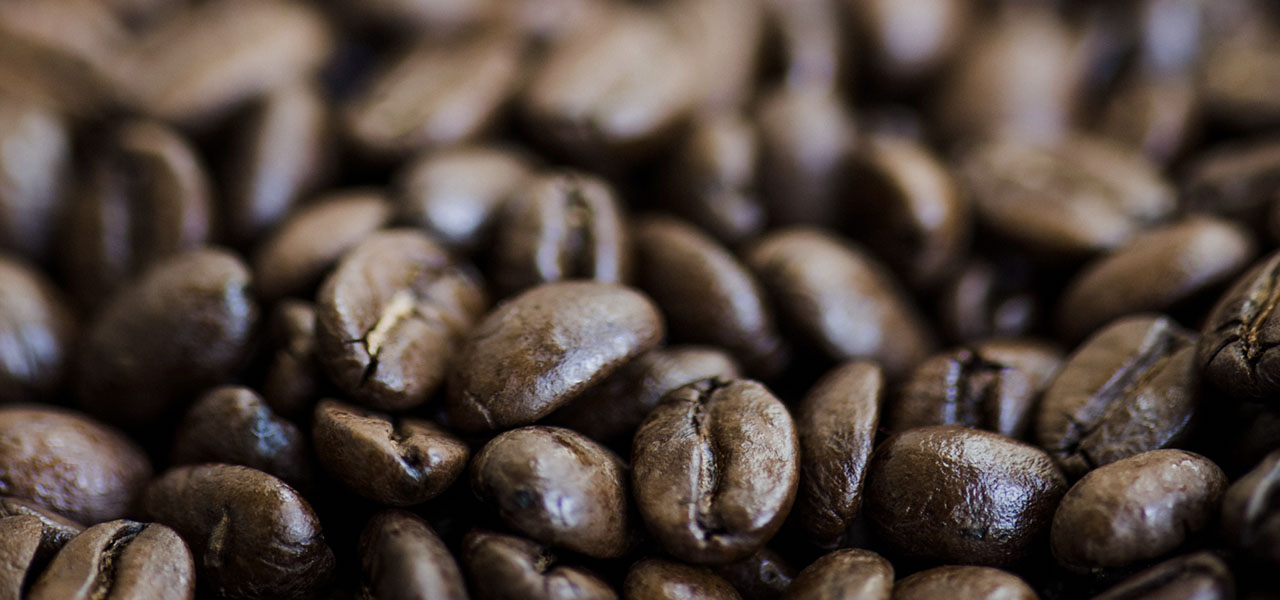
Coffee is an agricultural product. After roasting, it releases carbon dioxide and slowly loses aromatics. That is why fresh coffee smells so different when you open the bag.
The goal is not to drink coffee seconds after it leaves the roaster. Most coffee benefits from a short rest. The goal is to avoid coffee that was roasted months ago, ground long before you bought it, and stored under bright grocery-store lights.
Why Fresh Grinding Matters
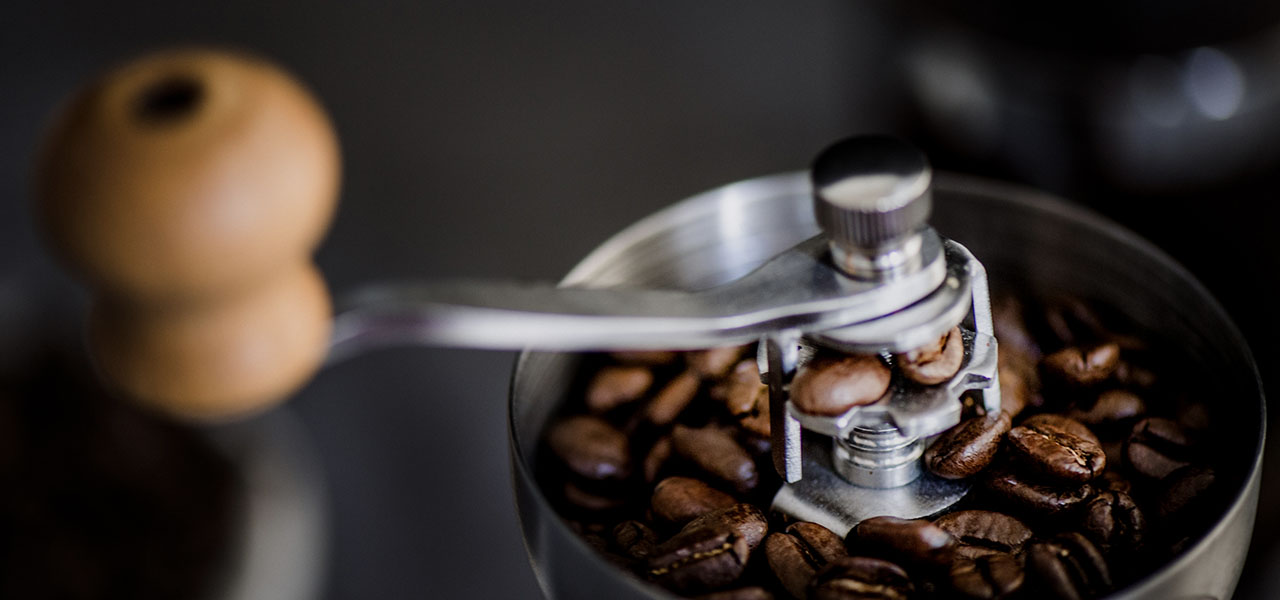
Roasted coffee loses aroma faster after grinding because more surface area is exposed to oxygen. Whole bean coffee keeps its flavor longer, and grinding right before brewing gives you more aroma in the cup.
If you want the biggest improvement at home, buy fresh whole bean coffee and use a burr grinder. Even a simple grinder upgrade can make your coffee taste cleaner and more consistent.
Consistency Is the Real Test
The best small-batch roasting is repeatable. If you like a coffee once, you should be able to order it again and recognize the flavor. That means the roaster has to understand the coffee, build a roast profile, and repeat it with care.
Consistency matters for blends, single origins, and decaf. A good decaf should still taste like coffee. A daily blend should not taste lively one week and dull the next.
What to Look for When Buying Coffee
- Clear roast or freshness information
- Whole bean options
- Flavor notes that match the roast style
- A roaster that explains how the coffee is intended to brew
- Packaging that protects coffee from oxygen and light
If a bag cannot tell you much beyond “100% coffee,” it probably will not tell your cup much either.
Does Small-Batch Coffee Need Special Brewing?
No. Fresh coffee improves any brew method. Drip machines, French press, AeroPress, pour over, and cold brew can all benefit from better beans.
What changes is that fresh coffee gives you more to work with. You may notice more aroma, more sweetness, more body, and a clearer finish.
Small-Batch Roasting FAQ
Is small-batch coffee always expensive?
Not always. It often costs more than commodity coffee because the sourcing, roasting, and handling are more careful. But the value comes from freshness, flavor, and consistency.
How should I store small-batch coffee?
Keep it sealed, cool, dry, and away from light. Do not store daily coffee in the freezer if you open the bag often, because condensation can hurt flavor.
How soon should I use fresh roasted coffee?
For most home brewing, use coffee within a few weeks of roasting once the initial resting period has passed. Grind only what you need.
Final Takeaway
Small-batch roasting is about control. Smaller roast loads help the roaster manage heat, preserve freshness, and repeat a flavor profile. If your morning coffee tastes flat, stale, or dull, fresh small-batch coffee is one of the simplest upgrades you can make.